
Preventing mold comes down to one thing: controlling moisture. Mold spores are always floating in the air, indoors and out, and you cannot remove them.
What you can remove is the moisture they need to settle and grow. Keep indoor humidity between 30 and 50 percent, fix leaks quickly, and dry any wet materials within 24 to 48 hours, and you stop most mold problems before they ever start.
That job is a little harder in North Texas than in most of the country. Long, humid summers, sudden storms, slab foundations, and homes that run the air conditioner for months at a time all give moisture more chances to build up indoors. Prevention here is a year-round habit, not a seasonal chore.
This guide walks through the steps that actually work in a Texas home, room by room and system by system. EnviroVerify inspects, tests, and verifies mold and never performs remediation, so nothing in this guide has a removal service waiting at the end of it.

Table of Contents
Table of Contents
Why Mold Prevention Matters More in North Texas
North Texas gives mold plenty to work with. Summer humidity outdoors climbs high enough that any moisture finding its way inside has trouble drying out on its own. Afternoon storms can drop a lot of water fast, overwhelming gutters and pushing moisture toward foundations.
Most homes around Fort Worth sit on concrete slabs over clay soil that swells and shrinks with the weather, which can open small paths for moisture to reach flooring and walls. And because we run air conditioning for a large part of the year, the AC system itself becomes one of the most common and most overlooked sources of indoor moisture.
None of this makes mold inevitable. It just means the margin for ignoring a leak or a humidity spike is smaller here. The homeowners who stay ahead of mold are the ones who treat moisture control as routine maintenance rather than an emergency.
The One Rule That Prevents Most Mold: Control Moisture
Mold needs three things to grow: spores, a food source, and moisture. Spores are everywhere and cannot be eliminated. Food sources are built into your home, since mold happily feeds on drywall, wood, paper, carpet, dust, and fabric. That leaves moisture as the one factor you can actually control, which is why every credible authority, from the EPA to the CDC, points to moisture control as the heart of mold prevention.
Put simply, dry surfaces do not grow mold. Keep humidity in check and deal with water quickly, and you take away the one ingredient mold cannot do without.
Keep Indoor Humidity Between 30 and 50 Percent
The most useful number in mold prevention is your indoor relative humidity. Aim to keep it between 30 and 50 percent, and never let it sit above 60 percent for long. Here is how to hold that line:
Use a humidity monitor. An inexpensive hygrometer costs only a few dollars and takes the guesswork out of prevention. Place one in the rooms most likely to get damp.
Run a dehumidifier where needed. Any space that stays muggy, such as a laundry room, closet, or converted garage, benefits from one.
Let your air conditioner work. AC does not just cool the air, it pulls moisture out of it. Running it consistently through the warm months keeps humidity down.
Keep windows and doors closed while the AC runs. On a humid Texas day, open windows invite in far more moisture than the fresh air is worth.
Fix Leaks and Dry Water Fast
Most serious mold problems trace back to water that sat too long. The widely cited rule from the EPA is simple: dry wet or damp materials within 24 to 48 hours and, in most cases, mold will not grow. Miss that window and spores start to settle in. Stay ahead of leaks by doing the following:
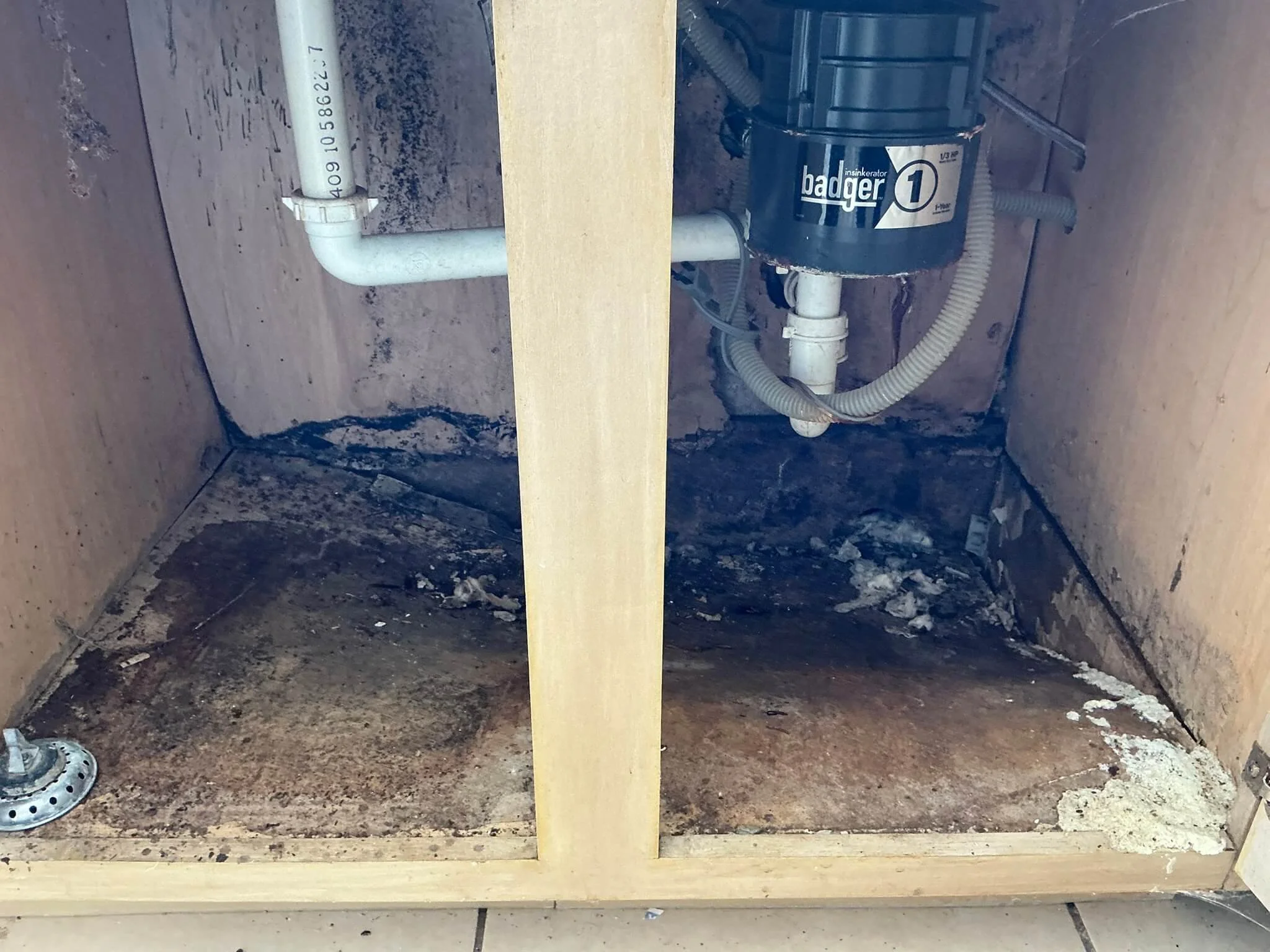
Check under sinks, around toilets, and behind appliances like the dishwasher, washing machine, and water heater for slow drips.
Inspect the roof, windows, and exterior walls after heavy storms.
Repair any plumbing leak the same day you notice it, even a small one.
Clean up spills, condensation, and standing water quickly instead of letting them dry on their own.
Do Not Let Your AC Become the Problem
In a Texas home, the air conditioning system is both your best defense against humidity and one of the most common hidden sources of moisture. As it cools, it constantly pulls water out of the air, and that water has to go somewhere. Keep your system on the right side of the mold equation:
Change filters every 30 to 60 days. A clogged filter restricts airflow and collects the dust that mold feeds on.
Keep the condensate drain pan clean and the drain line clear. A clogged line lets water back up and overflow, quietly feeding mold near the air handler.
Have the coils and drain components checked during routine HVAC service.
Watch for musty smells through the vents. That can be an early sign of mold inside the system or ductwork.
Ventilate the Rooms That Trap Moisture
Everyday activities like showering, cooking, and drying laundry release a surprising amount of moisture into the air. Good ventilation moves that moisture out before it can settle.
Run the bathroom exhaust fan during every shower and leave it on for several minutes afterward.
Use the kitchen exhaust fan while cooking, and cover pots when you can.
Make sure your clothes dryer vents to the outside, never into a garage or attic.
Avoid overpacking closets and storage areas so air can move around your belongings.
Manage Water Around Your Foundation
A lot of indoor moisture actually starts outside. When rainwater collects against the house, it eventually finds its way in, especially with the slab foundations and clay soils common across the Fort Worth area.
Keep gutters and downspouts clean so water flows where it should.
Extend downspouts so they carry water several feet away from the foundation.
Check that the soil around your home slopes gently away from the foundation rather than toward it.
Address any spot where water regularly pools near the house after a storm.
Room-by-Room Quick Wins
Some parts of a Texas home need a little extra attention:
Bathrooms: Wipe down shower walls and doors after use, wash or replace shower curtains and liners regularly, and repair cracked grout or caulk that lets water seep behind the tile.
Kitchen: Fix drips at the sink promptly, and pull the refrigerator out occasionally to check for condensation or a leaking water line.
Laundry and closets: Never leave wet clothes sitting in the washer, and avoid storing damp towels or clothing in enclosed spaces.
Garage and attic: Watch for roof leaks in the attic and any water intrusion in the garage, since these spaces are easy to overlook until a problem spreads.
What to Do After a Water Leak or Storm
When water does get in, moving quickly is what keeps a spill from becoming a mold problem.
Stop the source. Shut off the water or cover the entry point so no more comes in.
Remove standing water right away with towels, a mop, or a wet vacuum.
Dry the area thoroughly within 24 to 48 hours, using fans, airflow, and a dehumidifier to speed things along.
Remove anything that cannot be fully dried, such as soaked carpet padding or saturated drywall, since these hold moisture and feed mold.
Keep watching the area for a week or two for any musty smell, staining, or warping that could signal mold taking hold.
When Prevention Is Not Enough: Know When to Test
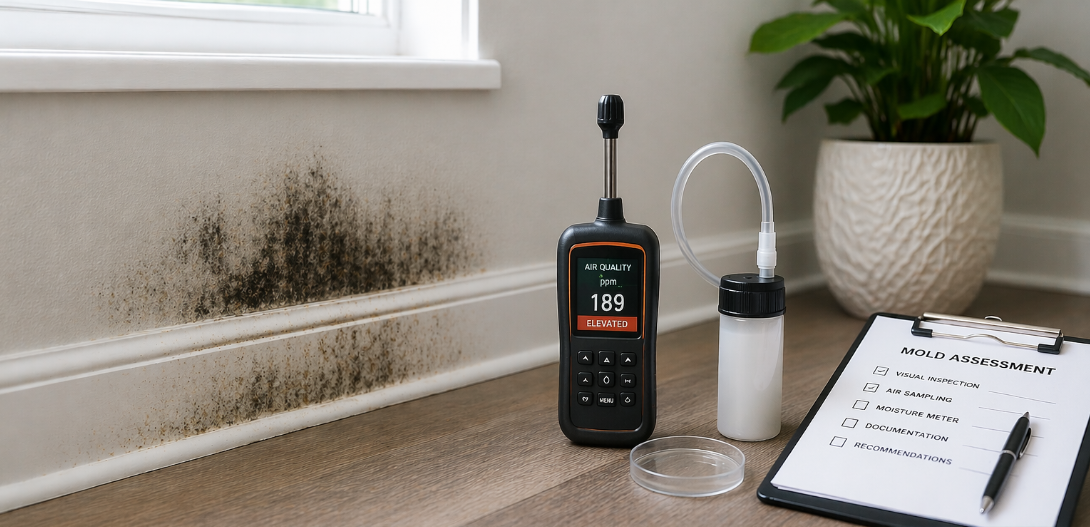
Even careful homeowners run into situations where prevention alone is not enough. It is worth having your home professionally inspected and tested if you notice a persistent musty odor, see visible growth, or have had significant water damage, a plumbing failure, or a storm-related leak. It is also a smart step after buying a home, when you have no history on past water problems.
Here is where working with an independent company matters. Many mold companies both test for mold and sell the remediation that follows, which creates an obvious incentive to find a problem.
EnviroVerify works differently. As a Texas-licensed, independent mold inspection company, EnviroVerify provides mold inspection and mold testing and never performs remediation, so an assessment reflects what is actually in your home and nothing more.
If removal does turn out to be necessary, independent post-remediation verification confirms the work was done correctly before you consider the problem closed. Not sure whether what you are seeing or smelling is mold?
Our guide to the signs of mold in your home walks through what to look for before you decide to book an inspection.
Quick Reference: The Numbers That Matter
Ideal indoor humidity: 30 to 50 percent
Humidity danger zone: above 60 percent
Time to dry wet materials: within 24 to 48 hours
AC filter changes: every 30 to 60 days
About EnviroVerify
EnviroVerify is a Texas-licensed, independent mold inspection company specializing in mold assessments, moisture investigations, and third-party clearance inspections. We do not perform remediation. We verify it.
EnviroVerify serves Fort Worth, Keller, Southlake, Grapevine, Colleyville, Bedford, Hurst, Euless, and North Richland Hills. If you suspect a moisture or mold issue, or you simply want the peace of mind of an unbiased assessment, you can schedule an independent inspection at any time.
Frequently Asked Questions
-
Keeping indoor relative humidity between 30 and 50 percent is the target for preventing mold. Growth becomes much more likely once humidity stays above 60 percent, so a simple humidity monitor paired with consistent air conditioning or a dehumidifier is the easiest way to stay in the safe range.
-
Yes. Air conditioning cools the air and pulls moisture out of it at the same time, which lowers indoor humidity. Running the system consistently through the warm months, keeping windows closed while it runs, and keeping the filter and condensate drain line clean all help prevent mold.
-
Mold can begin to grow within 24 to 48 hours of materials getting wet. Drying the affected area thoroughly inside that window is the most effective way to stop mold from taking hold after a leak, spill, or storm.
-
No. Mold spores occur naturally in the air both indoors and outdoors and cannot be eliminated. The goal of prevention is not to remove spores but to control the moisture they need to settle and grow.
-
Not always, but it is worth considering after significant water damage, a plumbing failure, or a storm-related leak, or when a persistent musty odor suggests hidden growth. An inspection is also useful when buying a home with an unknown water history.
-
Texas homes face long, humid summers, sudden storms, and heavy year-round air conditioning use, all of which raise the risk of indoor moisture. Slab foundations and clay soils common in the Fort Worth area can add to the challenge, which makes consistent moisture control especially important.