
Mold grows in a house when four conditions come together: moisture, a food source, the right temperature, and mold spores. Spores are already floating in the air everywhere, and most homes provide plenty of food and a comfortable temperature, so the one condition you can actually control is moisture. That's why nearly every mold problem traces back to excess moisture from a leak, high humidity or poor ventilation.
This guide breaks down the four conditions mold needs, the most common moisture sources in homes, the signs of mold to watch for, and the practical steps to prevent mold growth.

Table of Contents
The 4 Conditions Mold Needs to Grow
Mold spores. Microscopic mold spores are present in virtually all indoor environments. You can't eliminate them, which is why controlling the other conditions matters so much.
A food source. Mold feeds on organic material, and homes are full of it: drywall, wood, ceiling tiles, carpet, paper and dust. These materials give mold everything it needs to start growing
The right temperature. Most molds thrive in the same warm temperatures people find comfortable, so normal indoor conditions are ideal for mold.
Moisture. This is the deciding factor. Without sufficient moisture, mold spores can't develop, no matter how much food or warmth is available. Remove the moisture and you remove mold's ability to grow.
Because the first three conditions are nearly always present indoors, moisture control is the single most effective way to stop mold before it starts.
What Causes Mold in a House: Common Moisture Sources
Most household mold comes down to a moisture problem somewhere in the home. The usual culprits include:
Water leaks. Leaking pipes, a dripping appliance or a slow leak behind a wall feed moisture directly into building materials.
High humidity. When indoor humidity levels climb above 60%, moist air settles on surfaces and lets mold grow even without a direct leak.
Poor ventilation. Poorly ventilated bathrooms, kitchens and laundry rooms trap moisture and create the damp areas mold loves.
Condensation. Cold exterior walls, windows and pipes collect condensation that keeps surfaces wet.
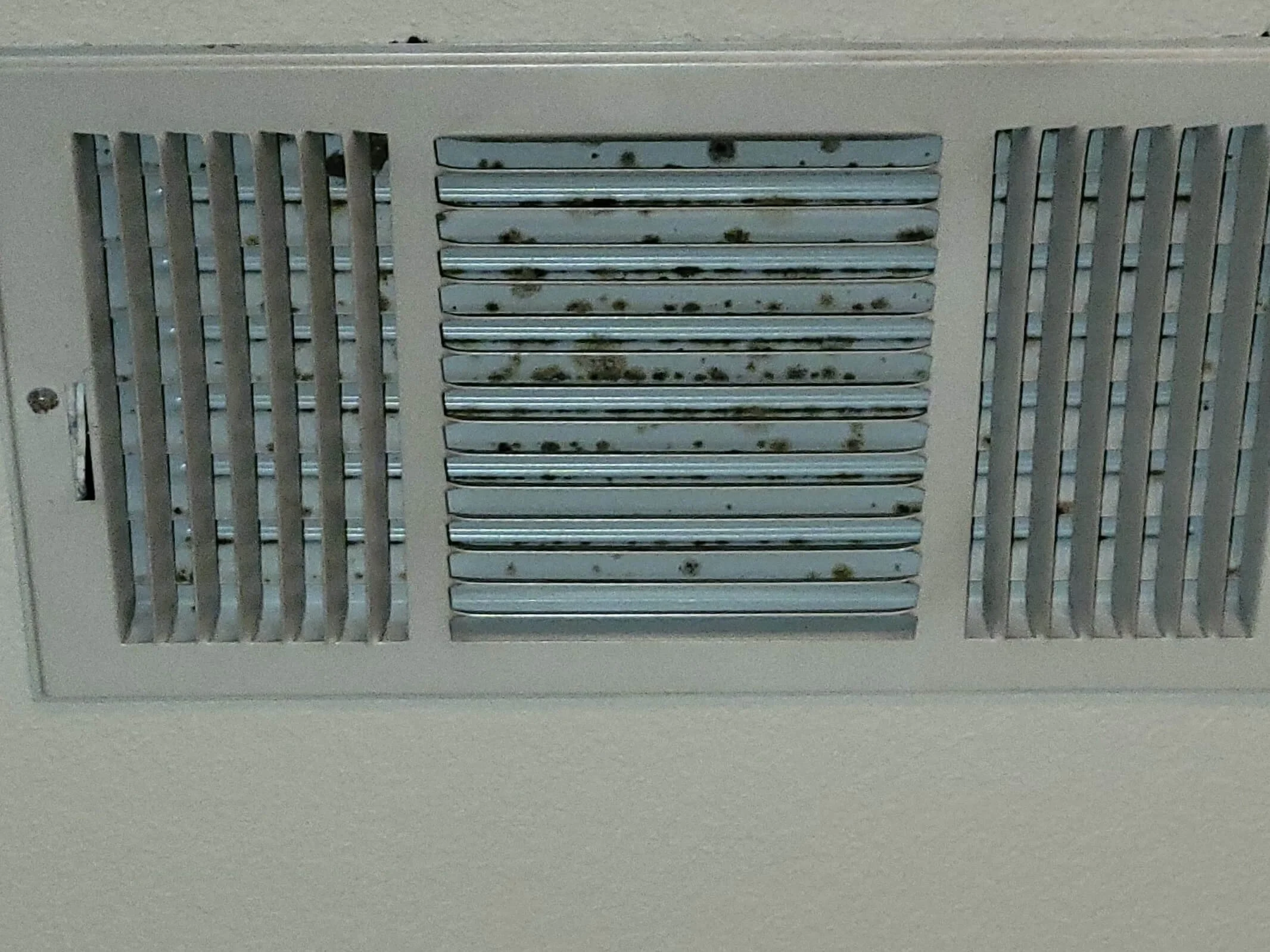
HVAC and air conditioner issues. An air conditioner or HVAC system can harbor mold around coils and ductwork where condensation collects.
Clothes dryer vents. A clothes dryer vented incorrectly pumps warm, moist air indoors instead of outside.
Basements and crawl spaces. Below-grade areas suffer from water intrusion and limited proper airflow, making them frequent mold sites.
Roof and foundation issues. Water stains on ceilings often signal a roof leak above, while foundation moisture seeps into the basement floor.
Signs of Mold in Your Home
Mold often grows hidden inside walls or under flooring before it's visible, so the early signs aren't always something you can see:
A persistent musty odor or musty smell with no obvious source, sometimes the only clue to hidden mold
Visible mold in patches of green, gray, white, brown or dark spots
Water stains, bubbling paint or warped materials pointing to a moisture source
Declining indoor air quality and stuffy air in certain rooms
Allergy-like symptoms that improve when you leave the house
The Health Effects of Mold Exposure
Mold exposure affects people differently and can be a real health concern. Common health effects include coughing, sneezing, congestion, eye and throat irritation, and worsening allergy or asthma symptoms. With prolonged exposure, some people experience more significant respiratory problems, and certain conditions like chronic bronchitis have been linked to ongoing exposure to damp, moldy environments. People with asthma, allergies or weakened immune systems face the greatest risk to their health.
How to Prevent Mold Growth
Since moisture is the one condition you can control, preventing mold is mostly about managing water and humidity:
Control humidity. Keep indoor humidity levels between 30% and 50%, in line with Environmental Protection Agency guidance.
Fix leaks promptly. Repair water leaks and address any moisture issues within 24 to 48 hours before mold can establish.
Improve ventilation. Run exhaust fans in bathrooms and kitchens, open windows when weather allows, and bring in fresh air to maintain proper airflow.
Use a dehumidifier. In damp areas like basements and crawl spaces, a dehumidifier helps remove moisture from the air.
Vent appliances correctly. Make sure clothes dryer vents and exhaust fans push moist air outside, not into the home.
Consider mold resistant paint. On surfaces prone to dampness, mold resistant paint adds a layer of protection.
Maintain your HVAC system. Keep the air conditioner condensate drain clear and filters clean to prevent future mold growth.
A Note on DIY Mold Cleanup
For a small patch of visible mold on hard surfaces, some homeowners clean it themselves using rubber gloves, a stiff brush and hot water. While a bleach solution can remove surface staining on hard, non-porous surfaces, health authorities generally don't recommend you mix bleach for most mold cleanup, because it doesn't address the moisture source or remove mold from porous materials like drywall and ceiling tiles. DIY cleanup can also disturb mold and release spores into the air. For anything beyond a small surface area, a professional assessment is the safer path.
How EnviroVerify Can Help
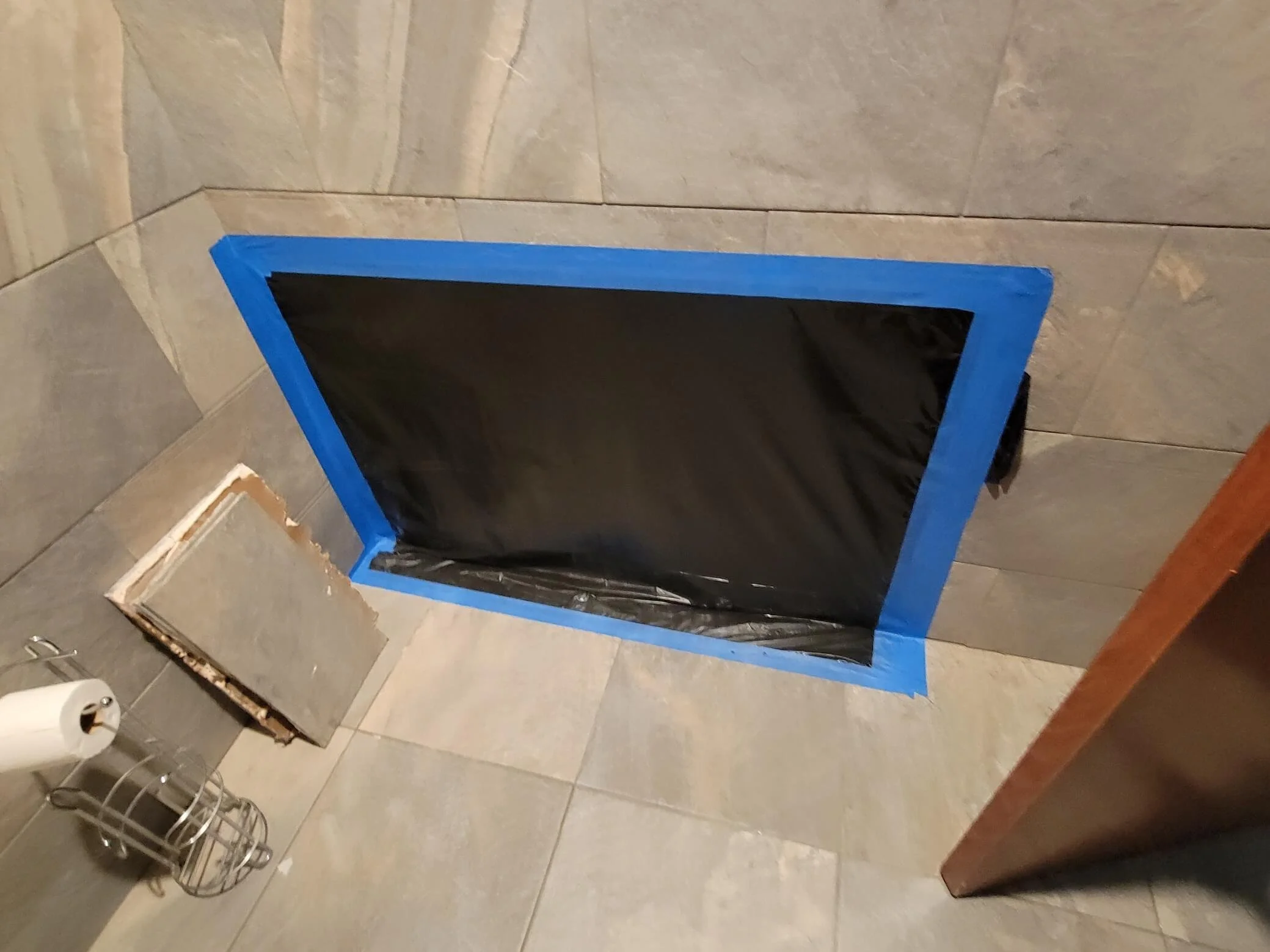
EnviroVerify provides independent mold inspection and mold testing across Fort Worth and the wider DFW area. We pinpoint the moisture source behind mold growth, find mold that's hidden inside walls or under flooring using moisture meters and thermal imaging, confirm the species through mold testing, and document the extent of the affected area.
We do not perform mold remediation. We verify it.
That independence is the whole point: our findings reflect what's genuinely in your property, not what a removal company wants to sell.
Summary
If you've spotted the signs of mold or suspect a moisture problem, an independent inspection is the fastest way to understand what's causing it. EnviroVerify is a Texas-licensed, independent mold inspection company serving Fort Worth and the wider DFW area.
We inspect, test and verify, and we never perform remediation, so our findings reflect what's actually in your property.
📞 Call or text 817-775-MOLD (6653)
Frequently Asked Questions
-
The main cause is excess moisture. Mold spores, a food source and a warm temperature are almost always present indoors, so moisture is the deciding factor. Most mold problems trace back to water leaks, high humidity or poor ventilation.
-
Mold needs mold spores, a food source (organic material like drywall and wood), the right temperature and moisture. The first three are nearly always present in a home, which makes controlling moisture the key to preventing mold growth.
-
A persistent musty odor with no visible source is often the only clue to hidden mold. Water stains, peeling paint and allergy-like symptoms that improve when you leave the house are other signs. Professional mold testing can confirm growth inside walls or under flooring.
-
Keeping indoor humidity levels between 30% and 50% helps prevent mold growth, in line with Environmental Protection Agency guidance. A dehumidifier, exhaust fans and proper ventilation are the most effective ways to control humidity.
-
Small areas of surface mold on hard, non-porous surfaces can sometimes be cleaned with rubber gloves and proper ventilation. For larger areas, mold on porous materials, or mold tied to significant water damage, a professional assessment is recommended first, since DIY cleanup can spread spores.