
The most common signs of mold in your home are a persistent musty odor, visible discoloration on walls or ceilings, recent or past water damage, and indoor air quality symptoms like itchy eyes, throat irritation or worsening asthma symptoms when occupants are in the building.
This guide covers the warning signs every homeowner should know, the health risks of prolonged exposure to mold, the common locations where mold thrives, and the practical steps to take when you suspect a problem. It's written for anyone who has noticed a strange smell, spotted unusual staining, or had recent water damage and wants to understand what they're dealing with before calling a professional.
Mold matters because it almost never stops on its own. Spores spread invisibly, mold grows inside wall cavities and HVAC systems before it ever becomes visible, and prolonged exposure can affect indoor air quality, allergy symptoms, asthma and the structural integrity of building materials. Recognizing the early warning signs of mold in your home is the difference between a minor moisture problem and a major remediation project.

Signs of Mold in Your Home: What to Look For and What to Do Next
Table of Contents
Mold problems often begin long before visible growth appears. Excessive moisture inside walls, ceilings or HVAC systems can allow mold to grow unnoticed for weeks or months, releasing mold spores into the air and slowly affecting both your home and your health.
Recognizing the early warning signs can prevent larger property damage and reduce potential health risks. Below are the most common indicators that mold may be present in your home, the conditions that allow mold to develop, and what to do if you find any of them.
1 - Visible Mold Growth
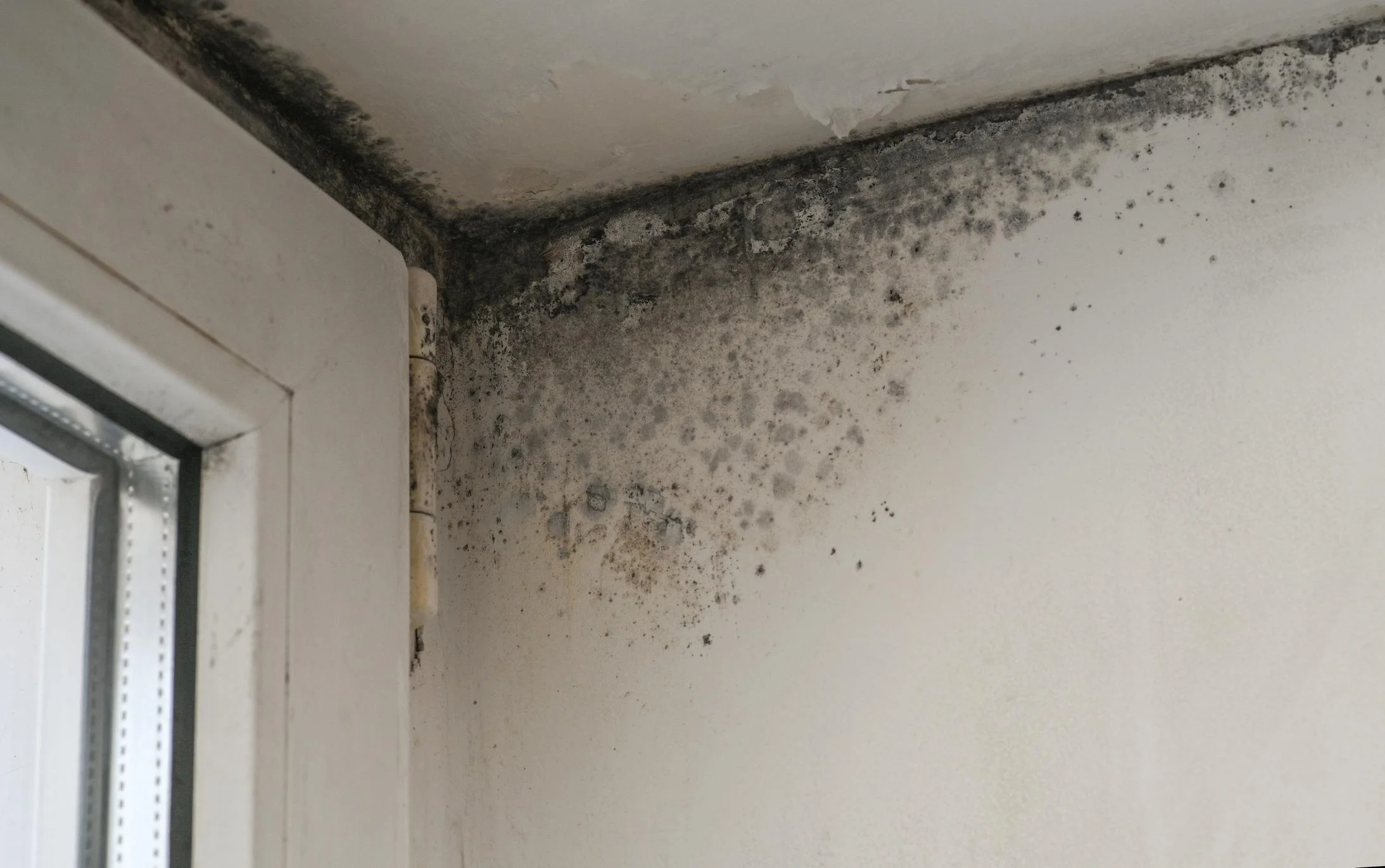
One of the most obvious signs of mold in your home is visible discoloration on building materials. Mold often appears as fuzzy, velvety, slimy or powdery patches on walls and ceilings, and can also look flat like a stain spreading across a surface.
Mold can appear in many forms, including:
Black or dark spots, sometimes associated with Stachybotrys chartarum (often called black mold)
Green or gray patches
White fuzzy growth
Orange or pink staining
Brown discoloration
Surface spots can appear black, green, gray, white or brown as indicators of mold. Slimy patches typically signal active mold growth on damp surfaces, while fuzzy or velvety textures often appear on porous materials like drywall, ceiling tiles and wood framing.
Household mold most commonly develops on drywall, wood framing, baseboards, window frames, ceiling tiles, carpet and padding, and other porous materials that hold moisture. It's worth noting that visible mold is often only a small portion of the total mold growth, particularly when moisture is present inside wall cavities or beneath flooring.
2 - Musty or Earthy Odor
A persistent musty smell is one of the most reliable early indicators of hidden mold. The odor resembles a wet towel or a damp basement, and it's caused by microbial volatile organic compounds (MVOCs) released by active mold growth.
Homeowners often notice the smell in:
Closets and storage areas
Bathrooms with poor proper ventilation
HVAC system vents and ductwork
Basements and crawl spaces
Rooms with past or current water leaks
If the odor is noticeable but no mold is visible, growth may be inside walls, ceilings or beneath flooring. A musty smell with no obvious source is one of the strongest reasons to schedule a professional mold inspection.
3 - Past or Current Water Damage
Mold requires moisture to grow, which makes any area with a water history a primary candidate for evaluation. Excess moisture from leaks, condensation or flooding creates the exact conditions that allow mold to develop on cellulose-rich materials like drywall, wood and paper.
Common moisture sources that lead to mold growth include leaky pipes under sinks or behind walls, roof leaks, appliance failures (dishwashers, washing machines, water heaters), HVAC condensation drainage problems, flooding events, and foundation moisture intrusion in basements or crawl spaces.
Signs of past water damage to watch for:
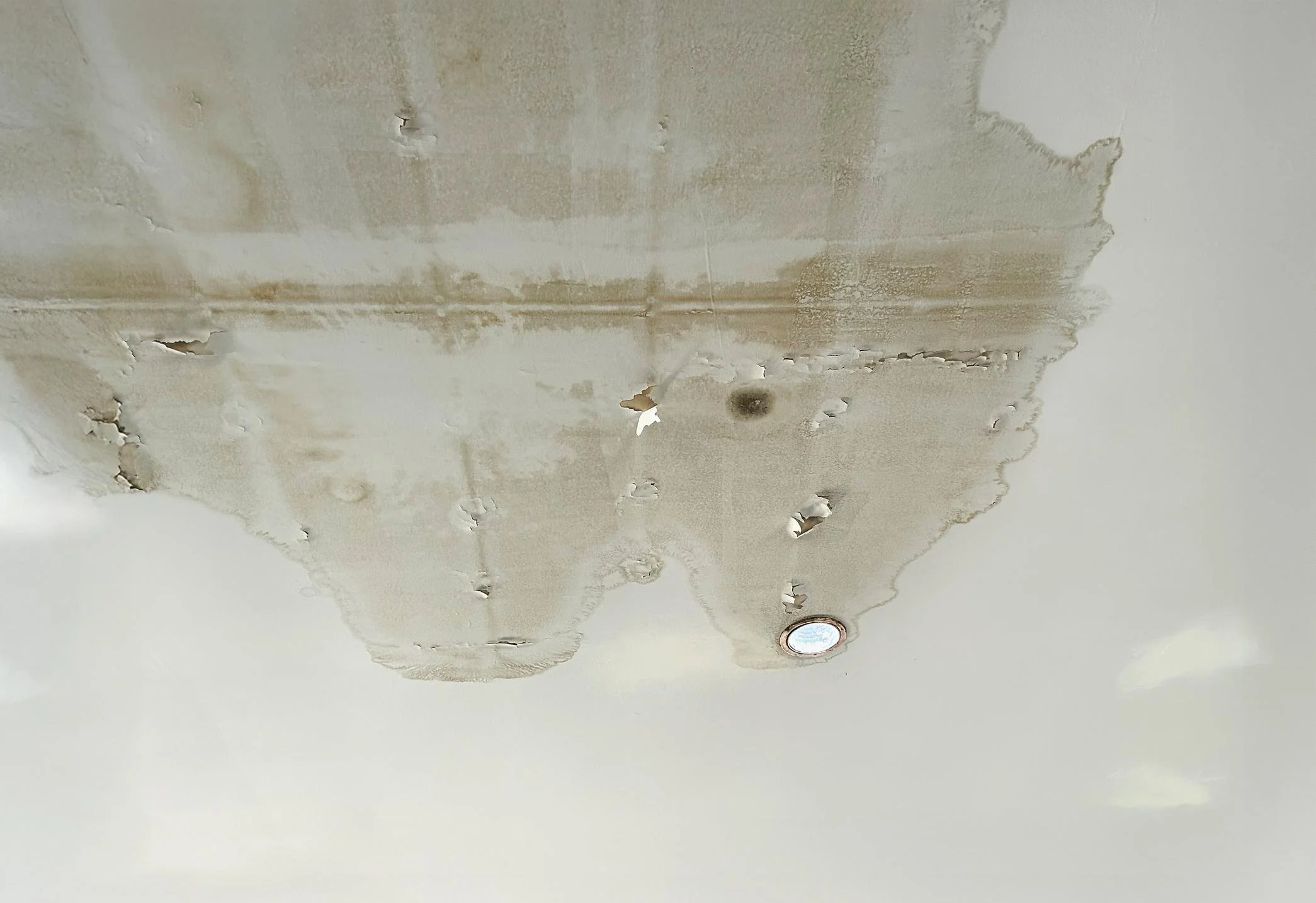
Brown or yellow ceiling stains, also called water staining, which appears as yellow, brown or dark rings from leaks above
Bubbling or peeling paint
Warped drywall or baseboards
Soft or deteriorating building materials
Foggy windows that fog frequently, which can indicate high indoor humidity
Even if an area appears dry now, mold may still be present if materials remained wet for an extended period. Most molds need only 24 to 48 hours of standing moisture to begin establishing colonies on underneath surfaces.
4 - Health & Indoor Air Quality Concerns
Mold exposure can affect occupants in different ways. Some people experience no noticeable reaction, while others — particularly those with mold allergies, asthma or a compromised immune system — can have significant responses to even small amounts of household mold.
The most common symptoms reported in mold-affected buildings include:
Persistent coughing, wheezing or throat irritation
Sneezing, stuffy nose, postnasal drip or sinus congestion
Itchy eyes or eye irritation
Headaches
Worsening allergy symptoms or allergic reactions indoors
Asthma attacks or worsening asthma symptoms
Skin reactions including rashes and itching
Building-related illness is the term often used when symptoms appear or worsen indoors and improve when occupants spend time away from the building. If your symptoms ease up when you leave the house for a few days and return when you come back, mold is one possible contributor worth investigating.
More serious conditions including hypersensitivity pneumonitis and lung inflammation have been linked to prolonged exposure and chronic mold exposure in some cases. Chronic mold exposure can also lead to asthma in children, and the Asthma and Allergy Foundation recognizes mold spores as a common allergy and asthma trigger. According to organizations including the Centers for Disease Control and Prevention, individuals with a compromised immune system are at greater risk of serious health effects from mold exposure.
5 - Where Mold Thrives in Your Home
Mold thrives in damp areas with limited fresh air circulation. Common mold growth areas in residential buildings include bathrooms, kitchens, basements, laundry rooms, attics and any space where high humidity, water leaks or poor proper ventilation creates the conditions mold needs to develop.
Bathrooms and kitchens are particularly common because of constant moisture from showers, sinks and cooking. Basements and crawl spaces are vulnerable due to foundation moisture and limited air movement. HVAC systems can harbor mold inside ductwork and around the air conditioner coils where condensation collects. Any area where damp surfaces meet porous materials becomes a potential site for mold.
How to Prevent Mold Growth
Controlling moisture is the single most important factor in preventing mold growth. Mold can't grow without water, so eliminating excess moisture eliminates the conditions mold needs.
Practical preventive measures every homeowner can take:
Keep indoor humidity levels between 30% and 50%, ideally below 50%, to control mold
Repair leaky pipes and water leaks promptly to prevent moisture buildup
Run exhaust fans in bathrooms and kitchens to reduce humidity
Open windows when weather allows to circulate fresh air
Use a dehumidifier in damp areas like basements
Clean up water damage immediately, ideally within 24 to 48 hours
Install outdoor drainpipes to direct water away from your foundation
Maintain your HVAC system, including the air conditioner condensate drain and filters
Consider air purifiers with high efficiency particulate air (HEPA) filtration to help trap mold spores in the air
Some homeowners reach for bleach solution or other mold killing products to clean visible mold themselves. While these can remove surface staining on hard surfaces, they don't address the moisture source or remove mold from porous materials, and bleach is not recommended for most mold remediation situations by health authorities.
DIY cleanup also disturbs mold and can release additional mold spores into the air. For anything beyond minor surface mold on a non-porous surface, professional evaluation is the safer path.
7 - What to Do If You Spot the Signs
If you notice any of these signs of mold in your home, the right next step is a professional mold inspection. A licensed inspector can determine the source of moisture, identify whether mold growth is present, evaluate the extent of affected building materials, and recommend whether mold testing or mold remediation may be warranted.
You should schedule a professional inspection if:
You notice musty odors but can't find the source
There has been recent or past water damage in the property
You see visible mold growth on any surface
You're purchasing or selling a property and want documentation
A remediation contractor has recommended third-party testing
You need clearance testing (Post-Remediation Verification) after cleanup
Indoor air quality concerns are affecting occupants
A professional inspection can confirm whether mold is present, identify the likely moisture problem behind it, document the extent of the affected area, and provide the basis for any necessary mold remediation or mold removal work.
EnviroVerify provides independent mold inspection and mold testing across Fort Worth and the wider DFW area. We do not perform mold remediation — we verify it.
That independence is the entire reason our reports are trusted by homeowners, real estate agents and insurance carriers.
Schedule a Mold Inspection
If you've spotted any of these signs of mold in your home, an independent mold inspection is the fastest way to get clear answers.
EnviroVerify is a Texas-licensed, independent mold inspection company serving Fort Worth and the wider DFW area. We inspect, test and verify — and we never perform remediation, so our findings reflect what's actually in your property.
📞 Call or text 817-775-MOLD (6653)
Frequently Asked Questions
-
The earliest signs of mold in your home are usually a persistent musty odor and visible discoloration on walls, ceilings or other surfaces. Health symptoms like itchy eyes, throat irritation and worsening allergy symptoms when occupants are indoors are also common indicators. Mold can cause a wide range of other symptoms, so any unexplained pattern that improves when you leave the building is worth investigating.
-
Mold has a distinct musty or earthy smell that resembles a wet towel, damp basement or old books. The smell comes from microbial volatile organic compounds released during active mold growth and is one of the most reliable early warning signs, even before any visible mold appears.
-
Yes. Mold exposure can cause a range of health problems including coughing, wheezing, sneezing, eye irritation, skin reactions, headaches and worsening asthma symptoms. Mold spores entering the respiratory tract can also trigger inflammation and breathing difficulties, particularly in sensitive individuals. People with mold allergies, asthma or a compromised immune system are at greater risk, and prolonged exposure has been linked to more serious conditions including hypersensitivity pneumonitis.
-
Hidden mold often gives itself away through a persistent musty smell with no visible source, water staining on ceilings or walls, peeling or bubbling paint, warped drywall and unexplained allergy symptoms or asthma flare-ups that improve when occupants leave the building. Professional mold testing with thermal imaging and moisture meters can confirm hidden growth.
-
Indoor humidity should be kept between 30% and 50% to prevent mold growth, with below 50% being the general target. Above this level, mold thrives, particularly on porous materials. A dehumidifier, exhaust fans in bathrooms and kitchens, and good proper ventilation are the most effective ways to control indoor humidity.
-
Small areas of visible mold on hard surfaces (under about 10 square feet) can sometimes be cleaned by a homeowner with proper protective equipment including rubber gloves and adequate ventilation. For larger areas, especially in basements or crawl spaces with standing water, additional protection is recommended to wear rubber boots and avoid direct contact with contaminated materials. Anything larger, mold on porous materials, or mold associated with significant water damage should be evaluated by a licensed mold inspector first. DIY cleanup can disturb mold and release additional spores into the air, which makes the problem worse if it's not handled correctly.
-
Black mold exposure refers to contact with mold species that appear black or dark in color, most commonly Stachybotrys chartarum. Black mold exposure can cause health problems in some people including respiratory irritation, coughing, headaches and skin reactions. The severity depends on the amount of exposure, how long it lasts, and the individual's health. People with asthma, mold allergies or a compromised immune system are at greater risk. While not every black-coloured mold is Stachybotrys, any visible dark mold growth in the home is worth having professionally evaluated rather than attempting to identify by sight alone.
-
Both have limited usefulness for small surface mold on hard, non-porous materials. A common DIY approach is one cup of bleach mixed with a gallon of water, but this only removes surface staining and does not address mold inside porous materials like drywall or wood. Vinegar can be effective on certain mold species on hard surfaces but is also limited to surface treatment. Neither addresses the underlying moisture problem that allowed mold growth in the first place. For anything beyond a small area of surface mold, professional inspection and proper mold remediation are the safer path.