
If your home has flooded, mold is already on the clock. In warm, humid conditions it can start growing within 24 to 48 hours of water exposure, and Texas heat only speeds that up. The good news is that the first steps are simple, and doing them in the right order protects both your family and your ability to recover.
Before you touch a mop, two things come first: make sure the home is safe to enter, and document the damage for your insurance. After that, the priority is drying everything out as fast as possible, deciding what can be saved, and knowing when the job is bigger than a bucket and bleach.
North Texas sits in one of the most flash-flood-prone regions in the country, so this is a scenario worth understanding before it happens. This guide lays out exactly what to do first, in plain order. EnviroVerify inspects, tests, and verifies mold and never performs remediation, so the advice here points you toward recovery, not toward a cleanup invoice.
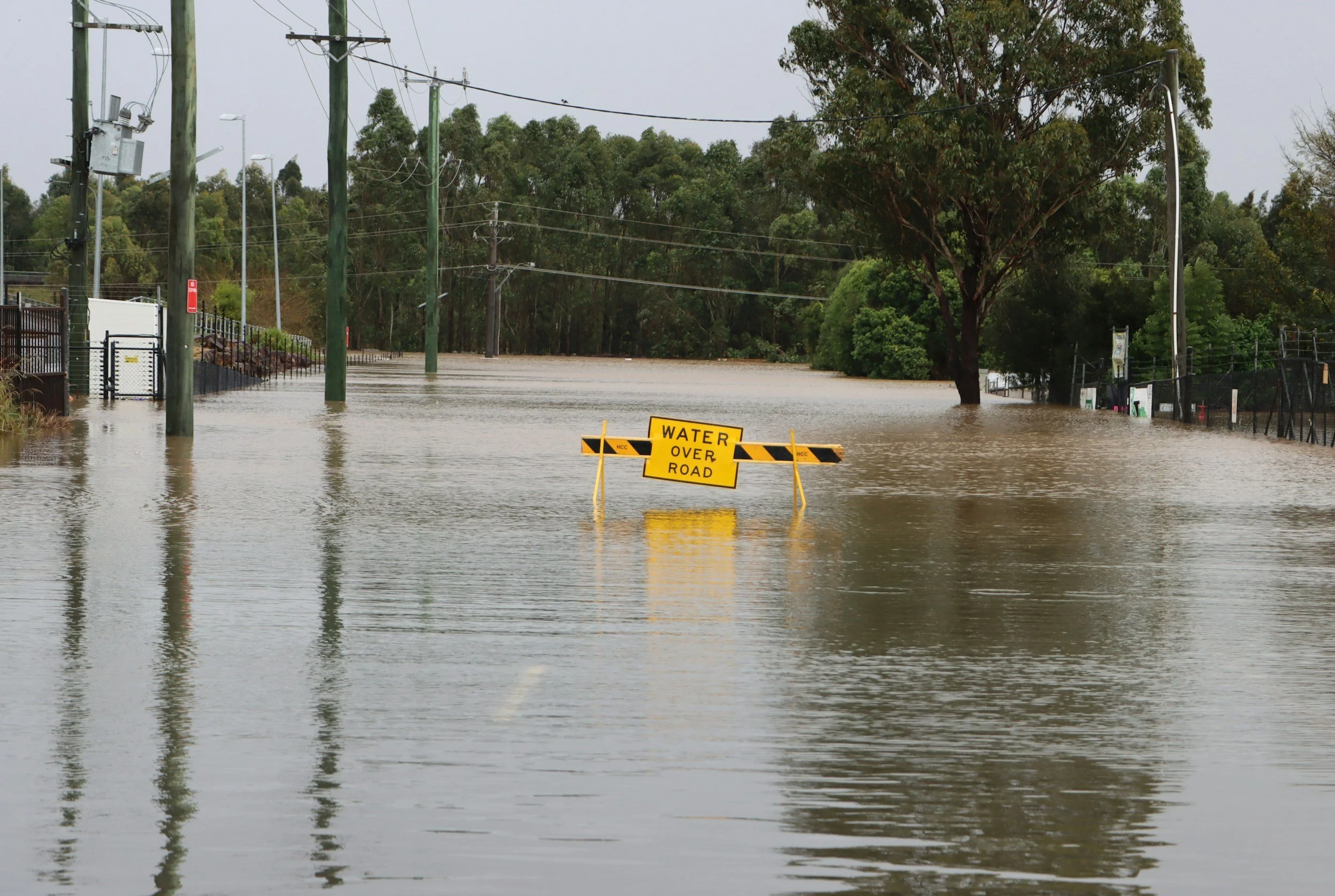
Table of Contents
Table of Contents
Why Mold Is a Race Against the Clock After a Flood
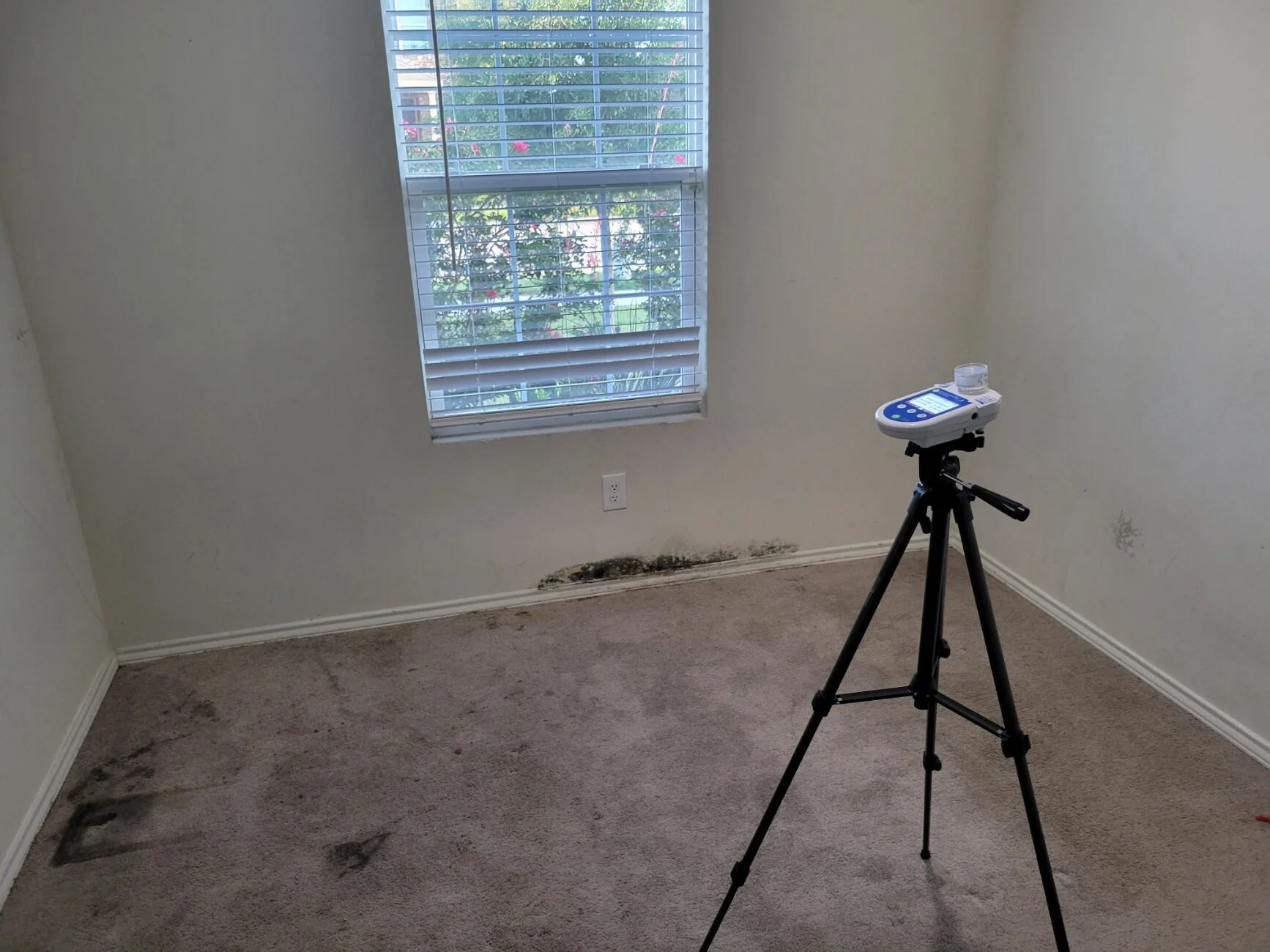
Mold spores are always in the air. They only need moisture and a food source to start growing, and a flooded home hands them both. Federal guidance from the EPA and FEMA is consistent on the timeline: materials that stay wet for more than 24 to 48 hours are very likely to grow mold. In the Texas heat, that window can feel even shorter, since warm, humid air helps spores take hold quickly.
That is why speed matters more than perfection in the first two days. Every hour that soaked drywall, carpet, and insulation stay wet is an hour mold has to spread, often into places you cannot see, like behind baseboards and inside wall cavities.
First, Make Sure It Is Safe to Go Back In
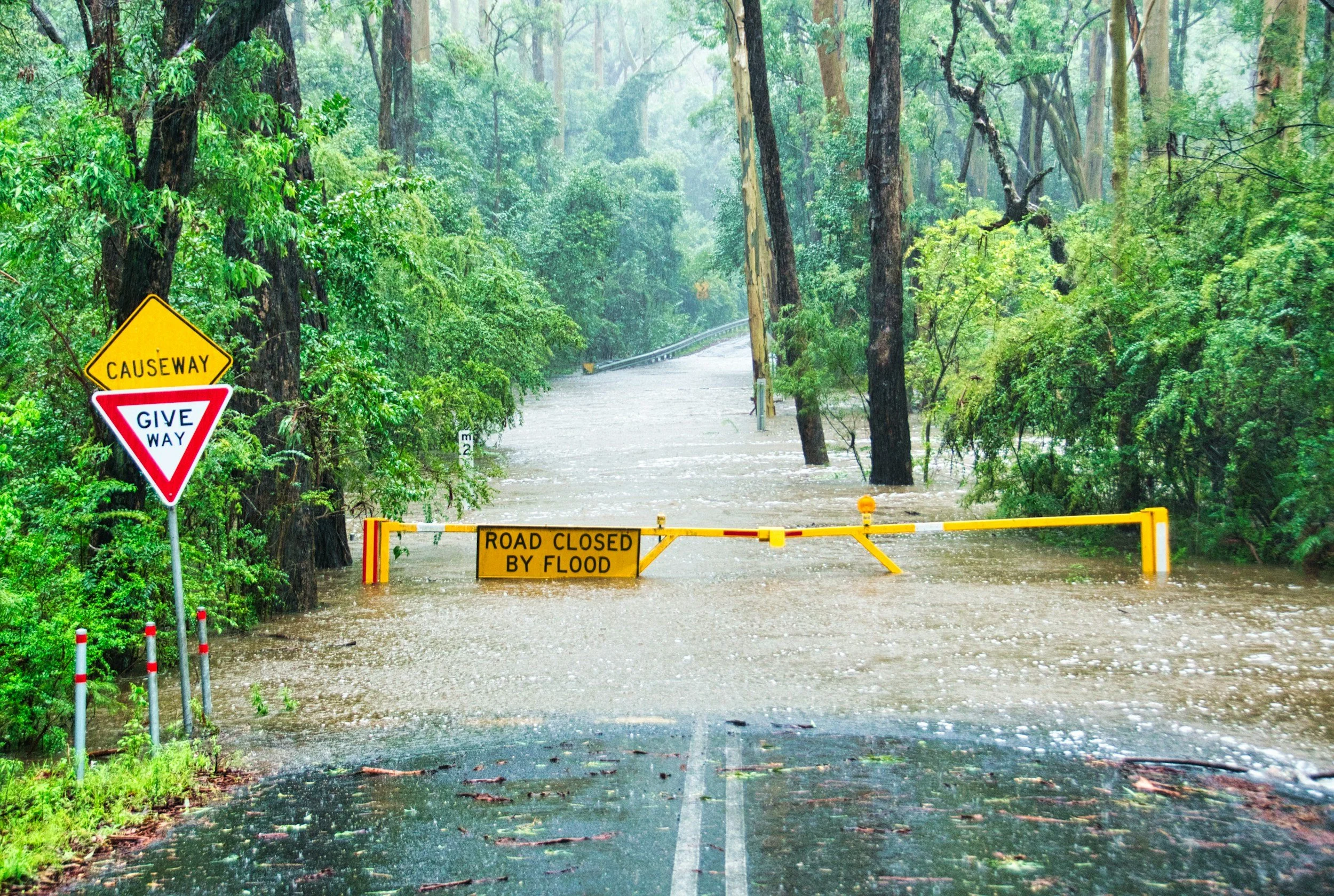
Before any cleanup, your safety comes first. Floodwater and damaged structures carry real hazards, so do not re-enter until it is safe.
Watch for electrical danger. Do not enter standing water if the power is still on, and do not switch anything on until the system has been checked.
Check for structural damage. Sagging ceilings, buckled floors, and shifted walls can be signs a home is not safe to occupy.
Treat floodwater as contaminated. Water from storms, rivers, or sewer backups can carry bacteria and other hazards, so wear protection when handling anything it touched.
Wear the right gear. Gloves, goggles, waterproof boots, and an N-95 respirator are the basics for handling wet, moldy materials.
Leave the HVAC off. If mold has reached the heating and cooling system, running it will blow spores throughout the house.
Document the Damage Before You Clean
It is tempting to start clearing out ruined belongings right away, but a few minutes of documentation can protect a claim worth thousands.
Take photos and video of every affected room and item before you move or throw anything away.
Contact your insurance company as early as possible to start the claim and ask what your policy covers.
Understand the coverage gap. Many standard homeowners policies limit or exclude mold damage, and flood damage often requires separate flood insurance, so know where you stand before you spend.
Keep receipts for cleanup supplies, equipment rentals, and any professional services.
Dry the Home Out as Fast as Possible
Once the home is safe and documented, drying is the single most important thing you can do to stop mold.
Remove standing water with a wet vacuum, mop, or pump.
Increase airflow by opening windows and doors and running fans, positioning them to push moist air out of the home rather than circulating it deeper inside.
Run dehumidifiers to pull moisture from the air, aiming to keep indoor humidity below 60 percent.
Pull up soaked carpet and padding, which trap water against the floor and are rarely worth saving after a flood.
Open up wet wall cavities if needed so trapped moisture behind drywall can escape and dry.
What to Keep and What to Throw Out
After a flood, the hard rule is that porous materials soaked for more than 48 hours usually cannot be saved. Trying to dry and reuse them often just seals moisture and mold inside.
Throw out and replace: drywall, insulation, carpet and padding, mattresses, upholstered furniture, and ceiling tiles that absorbed floodwater.
Clean and disinfect: non-porous items like glass, metal, plastic, ceramic tile, and sealed countertops can be washed with soap and water, then disinfected.
Salvage carefully: important documents, photos, and keepsakes can sometimes be saved by drying or freezing them quickly, but keep them away from moldy areas in the meantime.
Clean and Disinfect Contaminated Surfaces
Because floodwater is often contaminated, cleaning is a two-step job: wash first, then disinfect. Scrub hard, non-porous surfaces with detergent and clean water, then disinfect with a bleach solution of no more than one cup of household bleach per one gallon of water. Never mix bleach with ammonia or other cleaners, and keep the area well ventilated while you work. If mold has already appeared on a small, hard surface, the same wash-and-disinfect approach applies.
Know When It Is Bigger Than a DIY Job
Some flood cleanups are manageable on your own. Many are not. The EPA suggests that a mold area larger than about 10 square feet, roughly a three foot by three foot patch, is beyond a typical do-it-yourself job. It is also time to bring in help when:
Floodwater was contaminated with sewage or chemicals.
The heating and cooling system or ductwork was affected.
Mold keeps coming back after cleaning, or you can smell it but cannot find it.
Large areas of drywall, flooring, or framing were soaked.
Hidden moisture behind walls and under floors is the most common reason a flood turns into a long-term mold problem, and it is exactly what a professional is equipped to find.
Get an Independent Assessment, Not Just a Sales Pitch
After a flood, most companies you call will both test for mold and sell you the cleanup, which puts them in the position of diagnosing a problem they profit from solving. An independent inspection removes that conflict.
EnviroVerify is a Texas-licensed, independent mold inspection company that provides mold inspection and mold testing and never performs remediation. That means an assessment tells you what is actually in your home, how far moisture has spread, and what genuinely needs attention, with no removal service riding on the answer.
After Cleanup, Verify the Work
If remediation is necessary, the job is not truly finished until someone confirms it worked. This is where independent post-remediation verification matters most. After the cleanup crew leaves, EnviroVerify can test and inspect the area to confirm that moisture is resolved and mold levels are back to normal, before you move belongings back in or close out an insurance claim. Verifying the work with a company that had no part in performing it gives you an honest answer, not a self-graded report card.
Quick Reference: Your First 48 Hours
Make sure the home is safe to enter before anything else.
Document all damage with photos and video, and call your insurer.
Dry everything within 24 to 48 hours to stay ahead of mold.
Keep indoor humidity below 60 percent while drying.
Throw out porous materials soaked for more than 48 hours.
Bring in a professional for mold areas larger than 10 square feet or for contaminated water.
About EnviroVerify
EnviroVerify is a Texas-licensed, independent mold inspection company specializing in mold assessments, moisture investigations, and third-party clearance inspections. We do not perform remediation. We verify it.
EnviroVerify serves Fort Worth, Keller, Southlake, Grapevine, Colleyville, Bedford, Hurst, Euless, and North Richland Hills. If your home has flooded and you want an honest picture of where things stand, you can schedule an independent inspection at any time.
Frequently Asked Questions
-
Mold can begin growing within 24 to 48 hours of materials getting wet. In the warm, humid conditions common in Texas, drying the home out quickly is the most important step for stopping mold after a flood.
-
Small areas, generally about 10 square feet or less on hard surfaces, can often be cleaned with soap, water, and a diluted bleach solution while wearing proper protection. Larger areas, contaminated floodwater, or mold in the HVAC system call for a professional.
-
Porous materials that stayed wet for more than 48 hours, such as drywall, carpet and padding, insulation, mattresses, and upholstered furniture, usually need to be thrown out and replaced. Non-porous items like glass, metal, and sealed tile can typically be cleaned and disinfected.
-
It depends on the policy. Many standard homeowners policies limit or exclude mold, and flood damage often requires separate flood insurance, so it is important to document everything and contact your insurer before you begin cleanup.
-
Independent verification is worth it. Because most remediation companies inspect and clean the same job, having a separate, independent company confirm the work gives you an unbiased answer that the moisture and mold were actually resolved.
-
North Texas is one of the most flash-flood-prone areas in the country, and its warm, humid climate helps mold take hold quickly after water damage. That combination makes a fast, organized response especially important for Texas homeowners.