
Clearance Testing & PRV Fort WorthPost-Remediation Verification (PRV) & Clearance Testing in Fort Worth
After remediation work is finished, the only thing that confirms it was actually successful is an independent clearance test. EnviroVerify provides third-party Post-Remediation Verification across Fort Worth and the DFW area. We verifying mold remediation was done correctly, and that your property is clean, dry and safe to occupy.
TDLR-Licensed Mold Consultant (#MAC2218) · Independent · Written Protocols · Serving Fort Worth & DFW
Call - 817-775-MOLD (6653) to schedule a Fort Worth PRV inspection.
Independent Testing
Texas-Licensed
Clear, Professional Reports
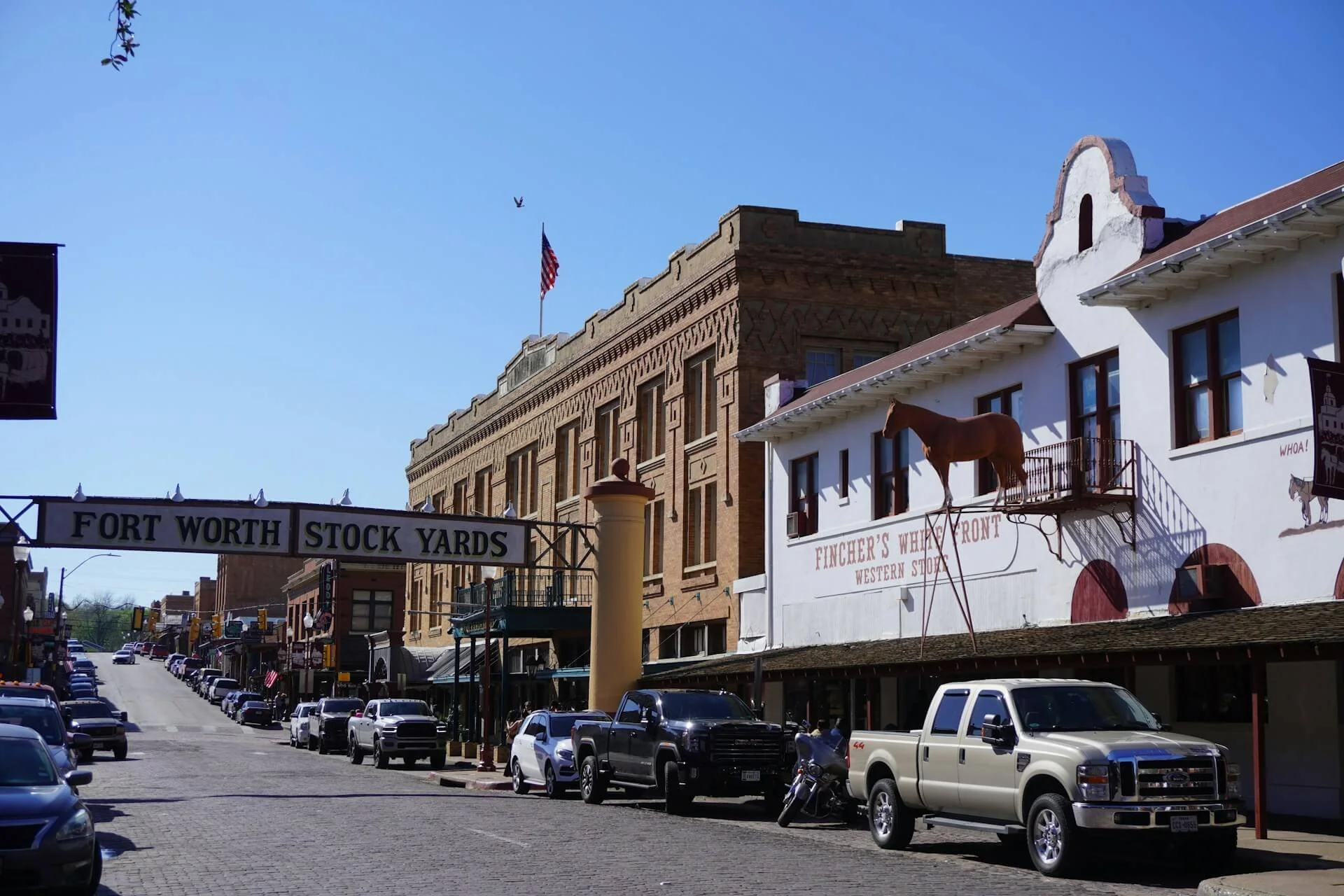
Serving Fort Worth & Surrounding Areas
Independent Testing Texas-Licensed Clear, Professional Reports Serving Fort Worth & Surrounding Areas
Why Independent PRV Is Non-Negotiable
The company that performs remediation should never be the company verifying it. Asking a remediation contractor to clear their own work is asking them to mark their own homework, and Texas law recognises the problem.
Regulated mold projects must have Post-Remediation Verification performed by a separately licensed party.
EnviroVerify is built around that legal separation. We do not perform mold remediation. We never have, and we never will.
Our entire business is independent assessment, testing and verification, which means the PRV result you receive from us reflects what's actually in your property, not what would be convenient for whoever just collected the remediation invoice.
That independence is the entire reason insurance carriers, real estate agents and Fort Worth property owners trust EnviroVerify with PRV inspections that have to hold up under scrutiny.
Clearance Testing & Post-Remediation Verification
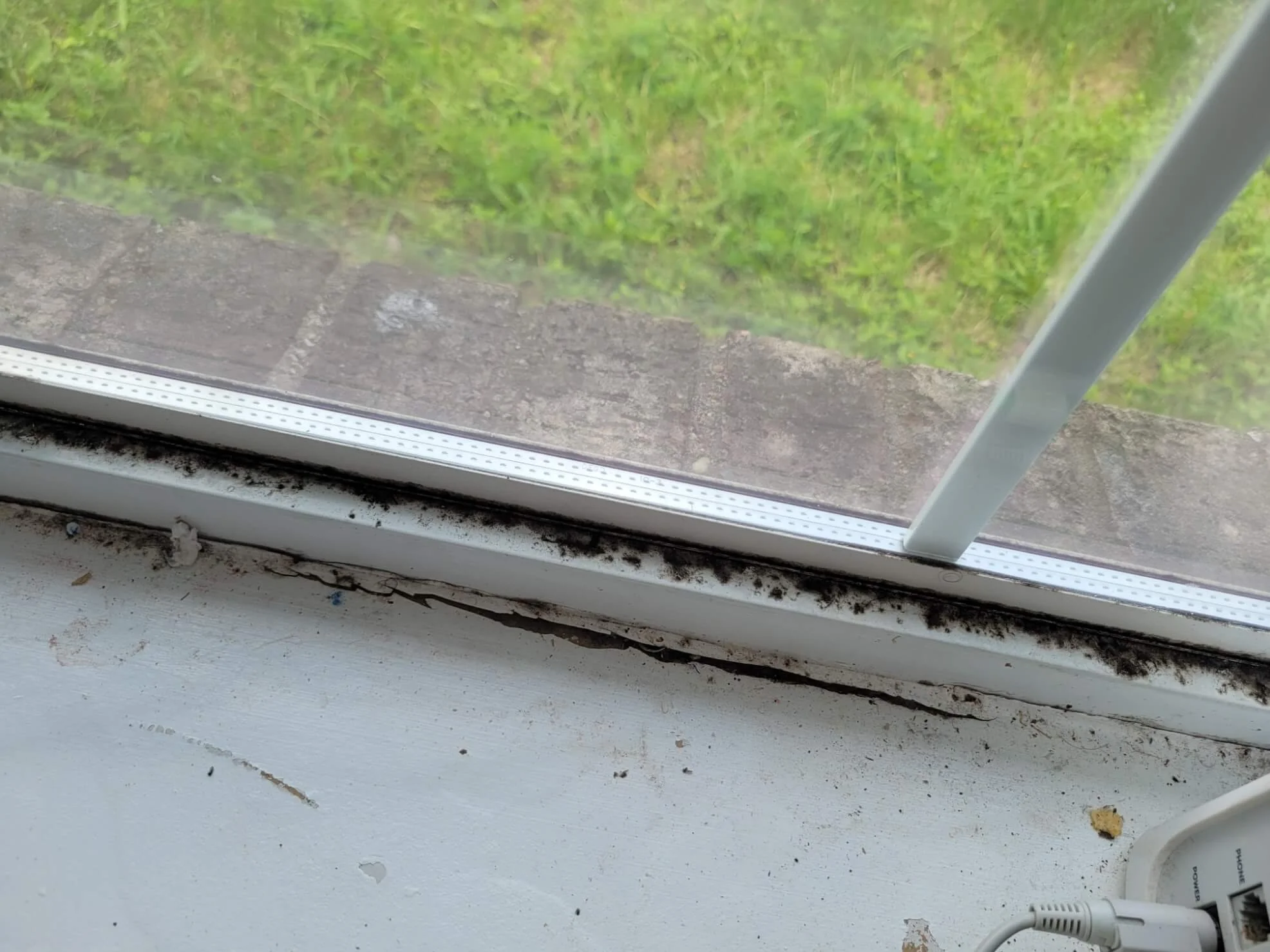
If you've been told you need clearance testing, post-remediation verification, post mold remediation testing or a PRV inspection, they all refer to the same thing: the final, independent inspection performed after mold remediation to confirm the job was done correctly.
Some companies and contractors call it clearance testing. The regulatory term used by the Texas Department of Licensing and Regulation (TDLR) is Post-Remediation Verification (PRV). The names are interchangeable; the work is identical.
EnviroVerify performs comprehensive PRV inspections, not quick air tests in and out, to verify your remediation was done right and your indoor environment is genuinely safe to occupy.
The point isn't to rubber-stamp the contractor's work. The point is to verify it.
ABOUT ENVIROVERIFY
About EnviroVerify
EnviroVerify is a Texas-licensed, independent mold inspection company specializing in mold assessments, moisture investigations and third-party clearance inspections. We do not perform remediation, we verify it.
PRV PROCESS
Our Post-Remediation Verification Process
A proper PRV inspection isn't just an air sample. It's a structured six-step verification process designed to confirm the remediation was complete, the moisture source has been resolved and the property is safe to reoccupy.
-
Visual Inspection of the Remediated Areas
A licensed mold assessment consultant walks every area covered by the remediation protocol, comparing what was supposed to happen against what actually did. Were the materials specified for removal actually removed? Are the surfaces visibly clean? Is there any residual staining, debris or visible mold growth that should have been addressed? The visual inspection is the foundation everything else rests on.
-
Containment & Workmanship Review
We verify that containment was properly constructed and removed cleanly, engineering controls were used as required, and the workmanship matches the scope laid out in the original remediation protocol. If the protocol called for HEPA-filtered negative pressure and we see signs it wasn't maintained, that goes in the report.
-
Moisture Verification
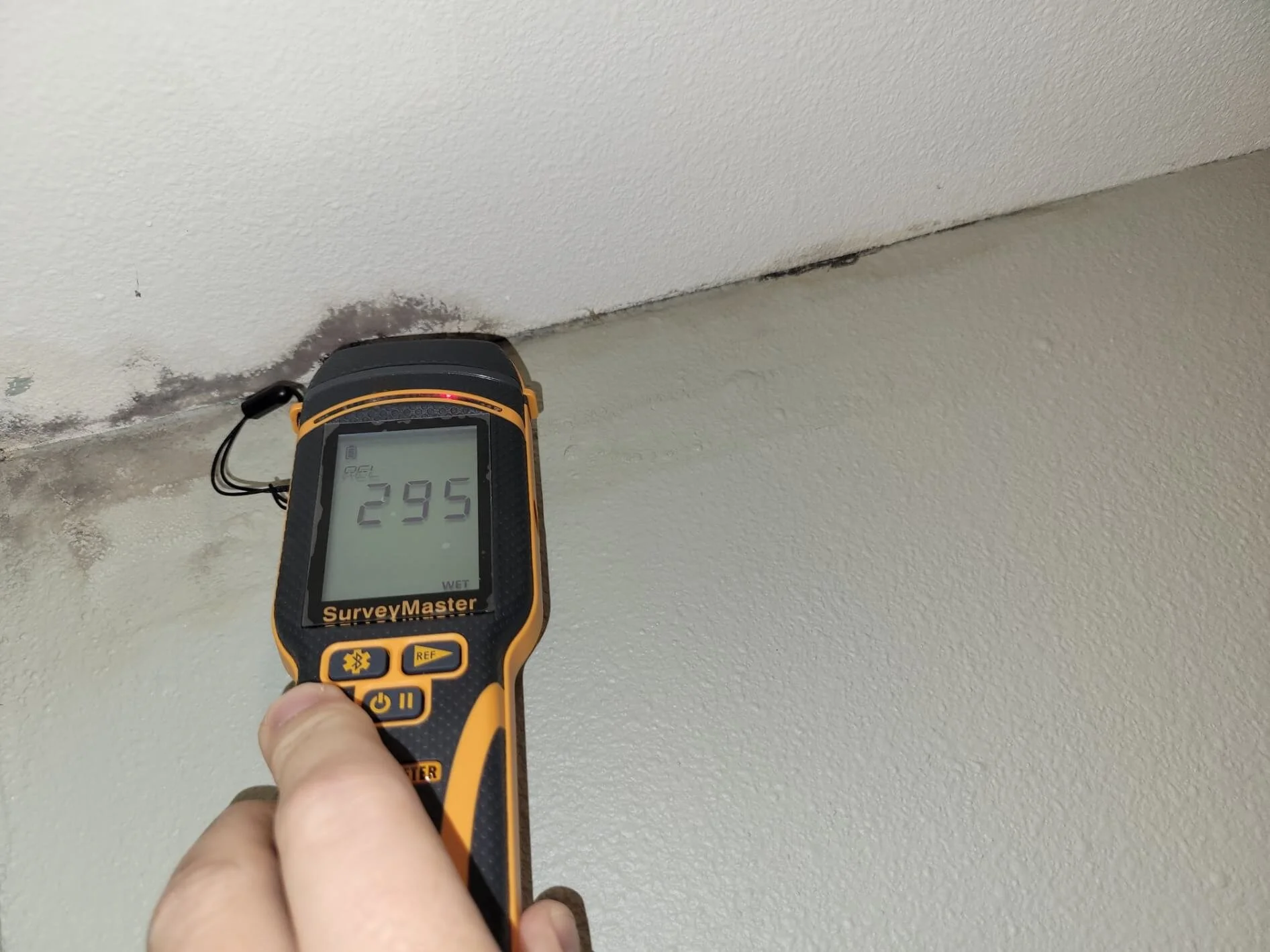
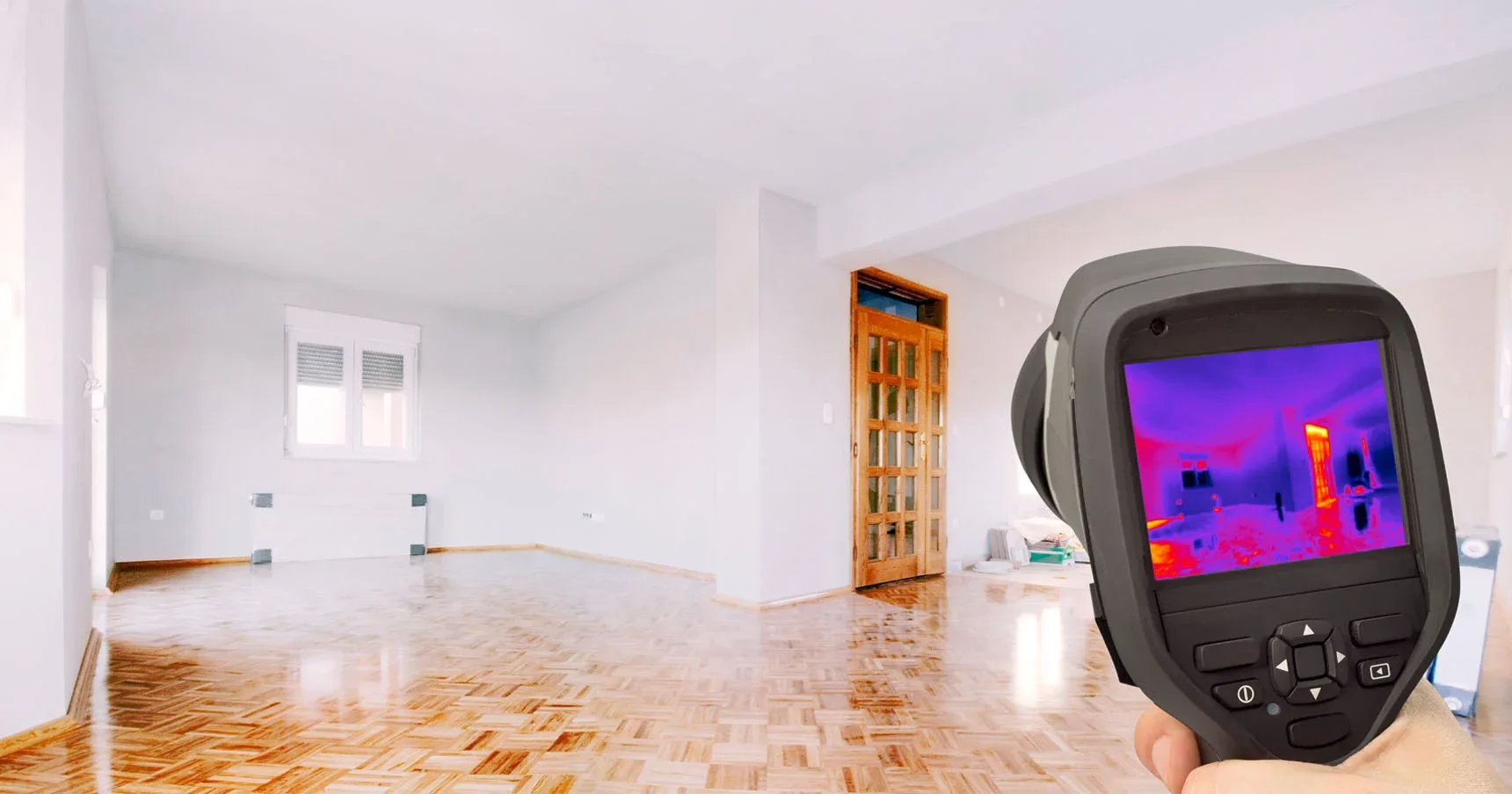
Mold can't grow without moisture, which means a passed clearance test means nothing if the original moisture source is still active. Using calibrated moisture meters and thermal imaging, we re-check the materials and assemblies surrounding the remediated area to confirm they're dry, and that the underlying water issue has been addressed.
-
Targeted Air & Surface Sampling
Air samples are collected inside the remediated area and paired with an outdoor control sample taken from the same property. Surface samples are taken where the protocol specified, or where additional verification is warranted. Every sample is documented, photographed and chain-of-custody logged.
-
Accredited Laboratory Analysis
Samples are shipped to a TDLR-licensed independent laboratory, never analysed in-house, never sent to a lab we have a financial relationship with. The lab confirms whether mold spore concentrations are at acceptable post-remediation levels and whether species of concern have been eliminated.
-
Written Pass/Fail Clearance Report
Within 2–3 business days you receive a defensible written PRV report. It includes the visual inspection findings, moisture data, lab results, the indoor-vs-outdoor comparison, photo documentation and a clear pass or fail determination. If the area passes, you have the documentation you need for insurance, reconstruction or reoccupancy. If it fails, the report tells you exactly what additional work is needed.
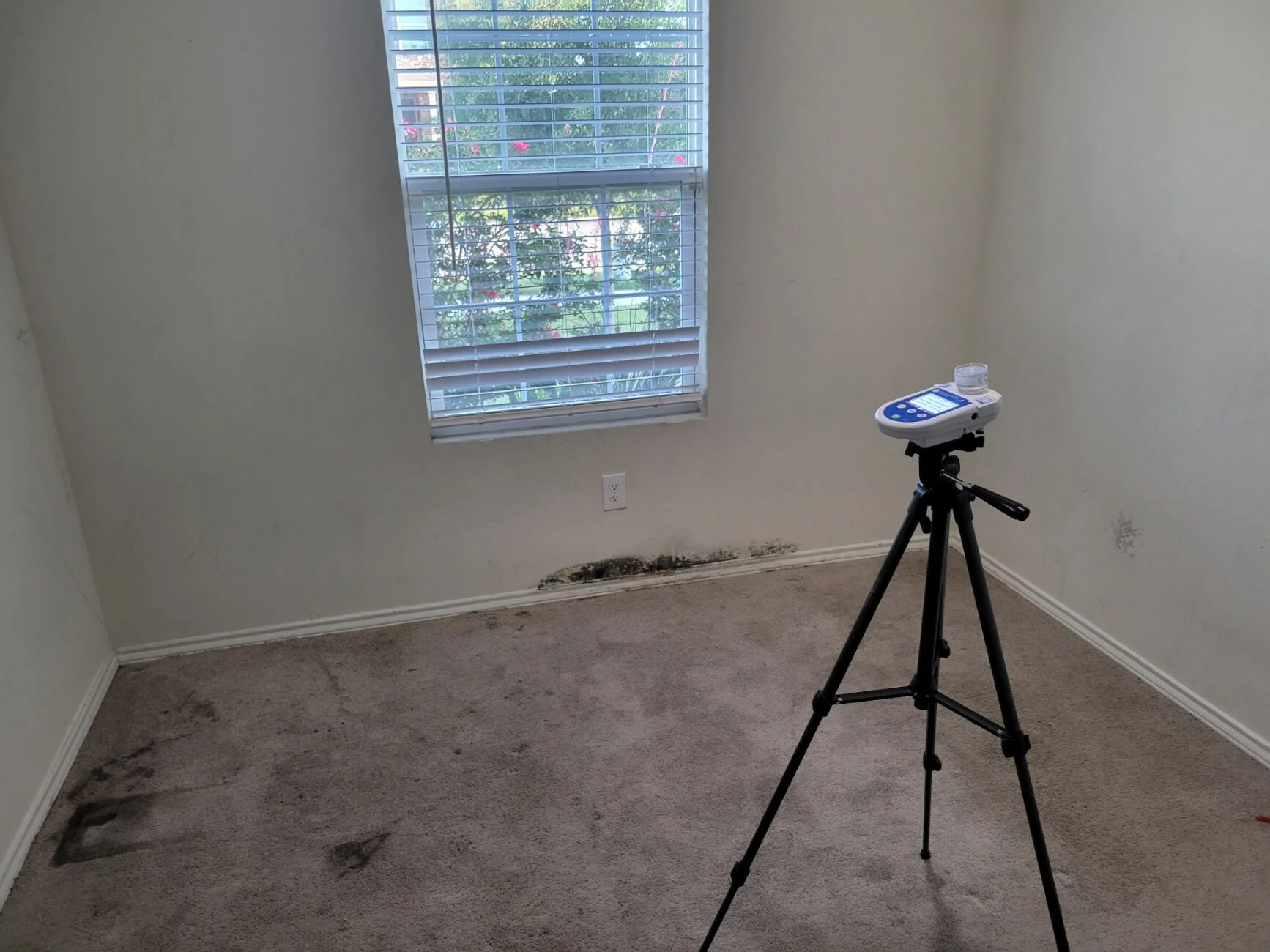
What Real Clearance Testing Includes
Not every "clearance test" on the market is a real one. Some contractors run a single air sample, declare success and move on. A genuine Post-Remediation Verification covers eight specific deliverables, and EnviroVerify includes all of them on every job.
Detailed visual inspection of every remediated area
Containment and workmanship review against the original remediation protocol
Moisture verification of materials and assemblies surrounding the work area
Targeted air sampling with outdoor baseline comparison
Targeted surface sampling where the protocol or conditions require it
Accredited, independent laboratory analysis of every sample
Clear pass/fail documentation written in plain English
Defensible written report suitable for insurance, real estate or legal use
Texas Mold Clearance Requirements
In Texas, mold remediation projects that required a written remediation protocol must be followed by Post-Remediation Verification performed by a licensed mold assessor.
The verification cannot be performed by the same company that did the remediation work, that separation is what makes the certificate of completion legally credible.
EnviroVerify provides independent PRV inspections that meet the requirements of the Texas Department of Licensing and Regulation (TDLR) and produce the documentation needed for the Certificate of Mold Damage Remediation.
If your project requires formal clearance, our reports are written to hold up.
When Should Post-Remediation Verification Be Performed?
Timing matters. PRV should be performed:
After remediation work is complete, but before containment is removed if possible
Before reconstruction begins, closing up walls over an uncleared area means the problem disappears from view, not from existence
Before real estate closing, buyers want documented proof, not the contractor's word
Before occupants return, particularly children, elderly or anyone with respiratory sensitivities
The general rule is simple: if remediation was performed, verification should always follow. A clean property is only verifiable when it's verified.
Get Honest Answers About Mold in Your Fort Worth Property
EnviroVerify is a Texas-licensed, independent mold inspection company specializing in mold assessments, moisture investigations and third-party clearance inspections. We do not perform remediation — we verify it.
COST
How Much Does a PRV Inspection Cost?
PRV cost in Fort Worth depends on the size of the remediation project, the number of samples needed and any complicating factors like crawl space access or multi-zone commercial work.
Most residential PRV inspections include a flat on-site fee plus itemised per-sample lab costs, quoted up front, before scheduling.
Here's what's always true of EnviroVerify PRV pricing:
A flat, all-inclusive fee for the on-site verification work
Per-sample lab costs disclosed in the original quote
No surprise charges, and zero incentive to recommend extra samples because we don't perform the remediation
Call - 817-775-MOLD for a same-week quote on your Fort Worth PRV inspection.
WHO USES OUR SERVICES
Who Uses Our PRV Inspections
Post-Remediation Verification matters to anyone who needs documented proof that mold remediation was successful. We work with all of the following:
Homeowners verifying that contractor work was completed correctly before moving back in
Real estate transactions where a property had a documented mold history
Insurance documentation supporting a claim payout or final settlement
Commercial properties needing tenant-ready clearance before reoccupancy
Remediation contractors who require an independent third party to clear their work
Property managers documenting due diligence on rental units
Physicians and medical professionals confirming the environment is safe for sensitive patients
GET IN TOUCH
Ready to Help,
Right Now
Call, email, or fill in the form.
Phone 817-775-MOLD (6653) - Mon–Sat 8am–6pm
Email: info@enviroverify.com- 24/7, 365 days
FAQ’S
Fort Worth PRV & Clearance Testing — FAQs
-
Post-Remediation Verification is an independent third-party inspection performed after mold remediation work is complete. It confirms whether the cleanup was successful, whether the moisture source has been resolved and whether the property is safe to occupy. In Texas, PRV must be performed by a separately licensed party, never the company that did the remediation.
-
Yes. Clearance testing, post-remediation verification, post mold remediation testing and PRV inspection all refer to the same service. The regulatory term in Texas is Post-Remediation Verification; "clearance testing" is the common industry name. EnviroVerify performs both under either name.
-
Clearance testing is performed once the remediation contractor confirms the cleanup is complete. Where practical, PRV should happen before containment is removed, that way, if the area fails, the contractor can address the issue without rebuilding containment. At a minimum, PRV must happen before reconstruction begins.
-
Most residential PRV inspections take 30–60 minutes on site, depending on the size of the remediation project and the number of samples being collected. Larger or multi-zone projects take longer. Lab results return within 24–48 hours, and your full written clearance report follows within 2–3 business days.
-
If lab results show elevated mold levels or the visual inspection identifies issues, the area fails clearance. The PRV report documents exactly what was found and what additional work is needed. The remediation contractor then addresses those issues and re-tests until clearance is achieved. Failing a clearance test is uncomfortable but it's the entire reason the process exists, better to catch it now than after reconstruction is closed up.
-
Most insurance carriers require formal PRV documentation before issuing final settlement on a mold-related claim, particularly when remediation was paid for under the policy. Without independent verification, the carrier has no proof the work resolved the issue. EnviroVerify reports are formatted to support insurance documentation.
-
No. At least not for any project that required a formal remediation protocol. Texas law requires PRV to be performed by an independent licensed party for those projects. Even where it's not legally required, allowing the contractor to clear their own work defeats the purpose. The whole point of clearance testing is independent verification.
-
It helps but it's not required. We can coordinate access with your remediation contractor or property manager and walk you through the report by phone or email afterwards. If you'd like to be on site, you're welcome, we can talk through what we're finding in real time.
AREAS WE SERVCE
PRV Inspections Across Fort Worth
EnviroVerify provides Post-Remediation Verification throughout Fort Worth and the surrounding Tarrant County communities, with availability across the wider Dallas–Fort Worth area.
Dallas Fort Worth • Keller • Southlake • Grapevine • Colleyville • Bedford • Hurst • Euless • North Richland Hills • Arlington
Not sure if we cover your area? Call 817-775-MOLD — if it's in DFW, we can almost certainly help.
GET IN TOUCH
Verify It Was Done Right
Independent, Texas-licensed, defensible
If mold remediation has happened in your Fort Worth property, you need a third-party clearance inspection that confirms the work was successful, not a rubber-stamp from the contractor who did the cleanup. That's what EnviroVerify is built for.