
Mold can begin to grow within 24 to 48 hours of a water leak when the right conditions are present. Most molds need moisture, an organic food source and a warm temperature, and a leak supplies the moisture instantly.
Visible growth usually takes longer, often appearing within a few days to a couple of weeks, but the colonies start forming well before you can see anything with the naked eye.
This guide covers how fast mold grows after a moisture event, what affects the growth rate, the warning signs to watch for, and what to do to stop a small problem from turning into a full mold infestation.

Table of Contents
How Long Does It Take for Mold to Grow?
Here's the general timeline after a water leak, assuming the affected area stays damp:
24 to 48 hours: Mold spores begin to germinate and fungal growth starts. Mold begins colonizing damp organic material, though it's still invisible at this stage.
3 to 12 days: Mold colonies establish and spread across surfaces. This is when a musty odor often becomes noticeable.
12 to 21 days: Visible growth appears on walls, drywall, wood and carpet. By this point the mold problem is well established.
3 weeks and beyond: Without intervention, mold infested materials accumulate, spores spread to new areas, and the risk of mold damage to building materials rises.
The exact growth rate depends on environmental conditions, so these windows shift with temperature, humidity and how saturated the materials are.
Why Water Leaks Are Such a High Risk
A leak removes the one thing usually holding mold back: dry conditions. The moment water intrusion soaks into porous building materials, mold has everything it needs to start growing. Common triggers include plumbing leaks under sinks or behind walls, a roof leak feeding moisture into the ceiling, appliance failures, and flooding that reaches the home's foundation.
Materials like drywall, wood surfaces, carpet and insulation are especially vulnerable because they're rich in the organic material mold uses as a food source and they hold moisture for a long time. The longer that moisture sits, the deeper mold establishes inside the affected area.
What Affects How Fast Mold Grows
Several factors determine whether mold appears in two days or two weeks:
Moisture. The single biggest factor. Standing water or a lingering moisture problem accelerates everything.
Humidity. High humidity above 60% lets mold spread even on surfaces that aren't directly wet.
Temperature. Most molds thrive in warm indoor environments, roughly the same temperatures people find comfortable.
Material. Porous, cellulose-rich materials feed mold faster than non-porous surfaces.
Airflow. Poor ventilation in enclosed spaces traps moisture and speeds up indoor mold growth.
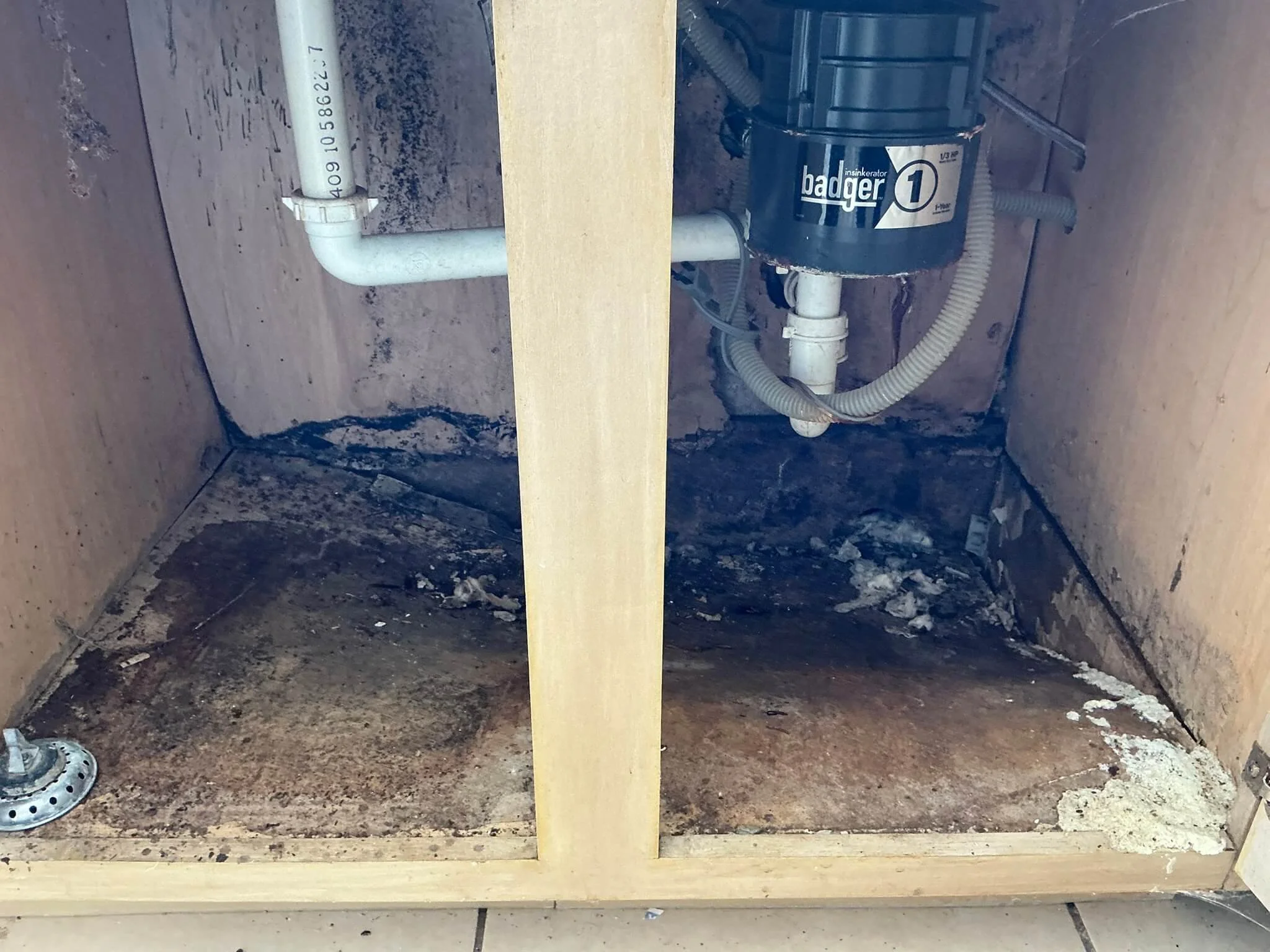
Early Signs Mold Is Growing
Because mold starts growing before it's visible, the early signs are often things you smell or feel rather than see:
A persistent musty odor with no obvious source, one of the most common signs
Visible growth in patches of green, gray, white, brown or dark spots
Worsening indoor air quality and stuffy air
Allergic reactions like sneezing, eye irritation, congestion or respiratory issues that improve when you leave the house
If you notice a musty smell soon after a leak but can't see anything, mold may already be growing inside walls or beneath flooring where the naked eye can't reach.
Health Concerns From Mold Exposure
Mold exposure affects people differently. Many experience allergic reactions and respiratory problems such as coughing, congestion and eye irritation. In more serious cases, especially with prolonged exposure or species like Stachybotrys chartarum (often called black mold), respiratory issues can become more significant, particularly for people with asthma or weakened immune systems. If symptoms ease when you spend time away from home and return when you come back, mold is worth investigating as a contributor.
What to Do After a Water Leak
Speed is everything. Because mold can take hold in 24 to 48 hours, the goal is to dry the affected area before that window closes:
Stop the water source and fix the underlying leak
Remove standing water and wet materials quickly
Dry surfaces thoroughly using fans and a dehumidifier
Improve airflow with exhaust fans and open windows where weather allows
Watch for a musty odor or visible growth over the following days
Acting within the first day or two gives you the best chance to stop mold before colonies form. After that, the problem becomes harder to resolve on your own.
When to Get Professional Help
If a leak went unnoticed for a while, the water reached porous materials, or you spot a common sign like a musty odor or visible growth, it's worth bringing in professional help to determine what's actually present. Larger or hidden growth is handled by remediation specialists, but that work should always follow an independent inspection so you know the true scope before any materials are removed.
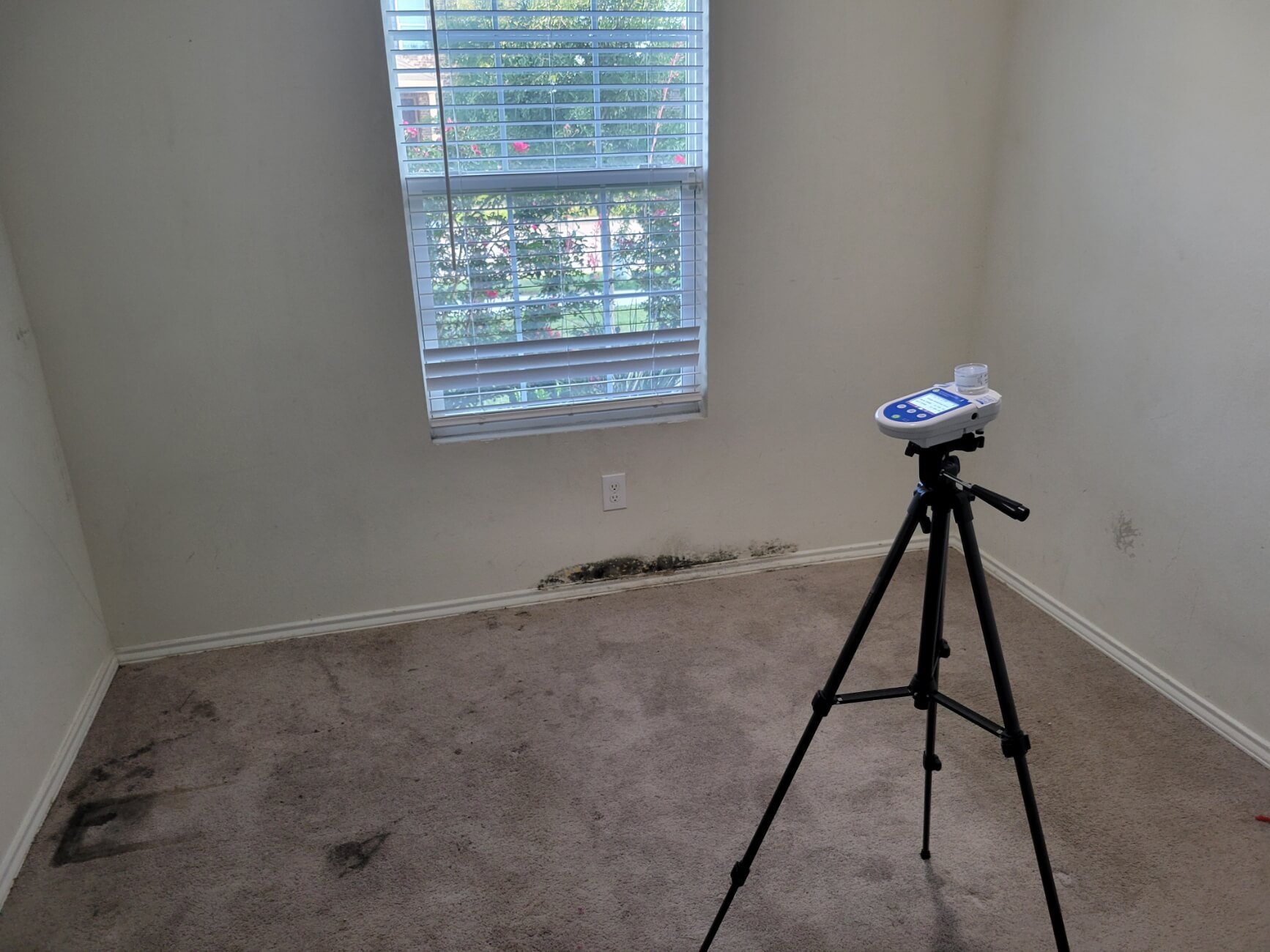
How EnviroVerify Can Help
EnviroVerify provides independent mold inspection and mold testing across Fort Worth and the wider DFW area. After a water leak, we use moisture meters and thermal imaging to find hidden moisture, determine whether mold growth is present, identify the species through testing, and document the extent of the affected area, including growth you can't see with the naked eye.
We do not perform mold remediation. We verify it.
That independence means our findings reflect what's genuinely in your property, not what a removal company wants to sell. We also provide clearance testing (Post-Remediation Verification) once remediation is complete, giving you third-party confirmation the moisture problem and mold have been resolved.
How to Prevent Mold After a Leak
The best defense is denying mold the conditions it needs:
Keep indoor humidity between 30% and 50%
Repair plumbing leaks, roof leaks and condensation issues promptly
Dry any water damage within 24 to 48 hours
Run exhaust fans and open windows to improve ventilation
Address foundation and drainage issues that allow water intrusion
Controlling moisture is the only reliable way to stop mold from establishing in the first place.
If you've had a water leak and want to know whether mold is growing, an independent inspection gives you clear answers fast. EnviroVerify is a Texas-licensed, independent mold company serving Fort Worth and the wider DFW area.
We inspect, test and verify, and we never perform remediation, so our findings reflect what's actually in your property.
📞 Call or text 817-775-MOLD (6653)
Frequently Asked Questions
-
Mold can begin to grow within 24 to 48 hours of a water leak when moisture, a food source and warmth are present. Colonies form first at a microscopic level, with visible growth usually appearing within a few days to two weeks.
-
Visible growth typically appears within 3 to 21 days, depending on temperature, humidity and how saturated the materials are. A musty odor often shows up before any visible mold, making it an important early warning sign.
-
Yes. Mold frequently grows inside wall cavities, under flooring and around plumbing leaks before it's ever visible. A persistent musty smell with no obvious source is a common sign of hidden mold that needs professional inspection to confirm.
-
Not necessarily, but the risk rises quickly after 48 hours. If materials stayed wet for several days, mold may already be growing, so it's worth having the area inspected to determine whether mold is present and how far it has spread.
-
Drying a small, recent leak yourself is reasonable. If the water sat for days, reached porous materials, or you notice a musty odor or visible growth, a professional assessment is the safer path to confirm what's present before deciding on next steps.