
Black mold and regular mold can look similar at first glance, but the key differences come down to color, texture, smell and the health risks involved.
Black mold (often the species Stachybotrys chartarum) tends to be dark greenish black with a slimy or wet texture and a strong musty smell, while common household molds appear in a wider range of colors and often have a more powdery appearance. The catch is that you can't reliably identify black mold by sight alone, which is why a professional assessment matters before you decide what to do next.
This guide walks through how to identify black mold vs regular mold, the health concerns tied to each, where mold growth tends to develop, and the steps to take if you suspect black mold in your home.
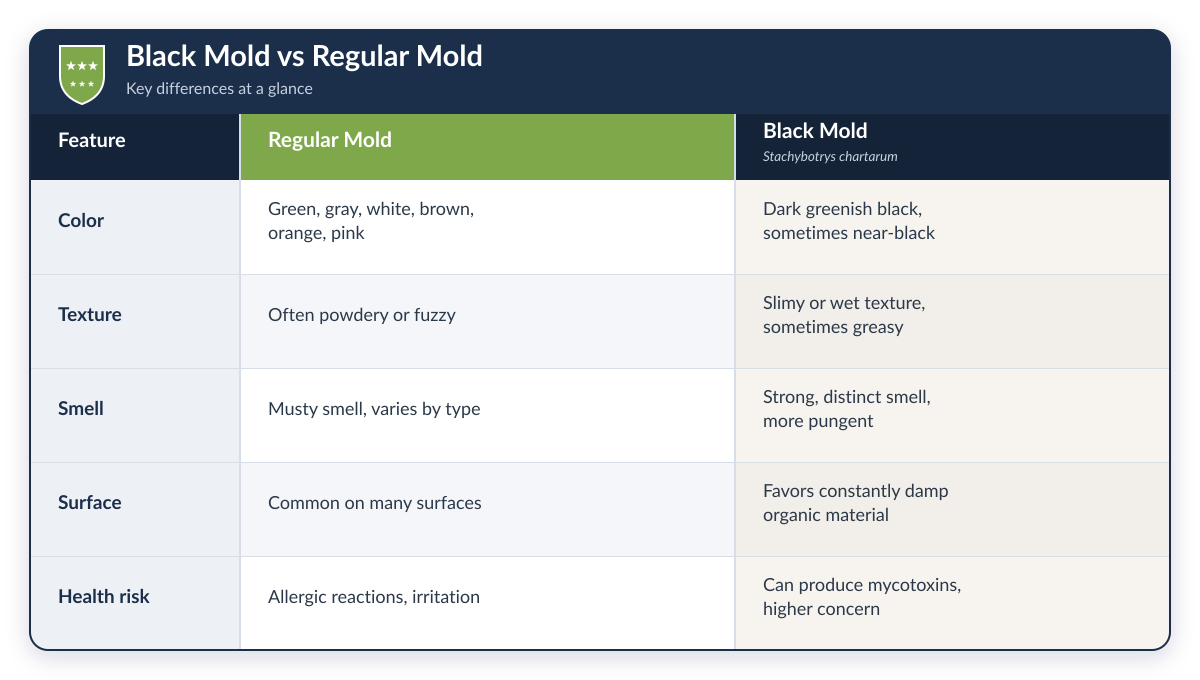
Treat this as a guide, not a diagnosis. Color and texture overlap between mold types, and only lab testing can confirm whether you're looking at toxic black mold or one of the more common household molds.
Table of Contents
What Is Regular Mold?
Regular mold is a catch-all term for the common molds that turn up in most homes. These molds appear as green, gray, white or brown patches and usually have a powdery appearance or a light fuzzy growth. They thrive in damp environments, feeding on organic material like drywall, ceiling tiles, wood and fabric wherever moisture and warm environments meet.
For most healthy people, exposure to common mold triggers allergic reactions rather than serious illness. Typical health symptoms include sneezing, a runny or stuffy nose, itchy eyes, throat irritation and skin irritation. These reactions are usually manageable, but they tend to flare up in poorly ventilated areas where mold spores build up in the air.
What Is Black Mold and Toxic Black Mold?
Black mold most often refers to Stachybotrys chartarum, a greenish black mold that grows on cellulose-rich, constantly wet materials. It's frequently called toxic black mold because it can produce mycotoxins, which are toxic substances some molds release as part of their growth. That said, "toxic mold" is a bit of a misnomer. The mold itself isn't poisonous to touch, but black mold exposure over a prolonged period has been linked to more serious health risks in sensitive individuals.
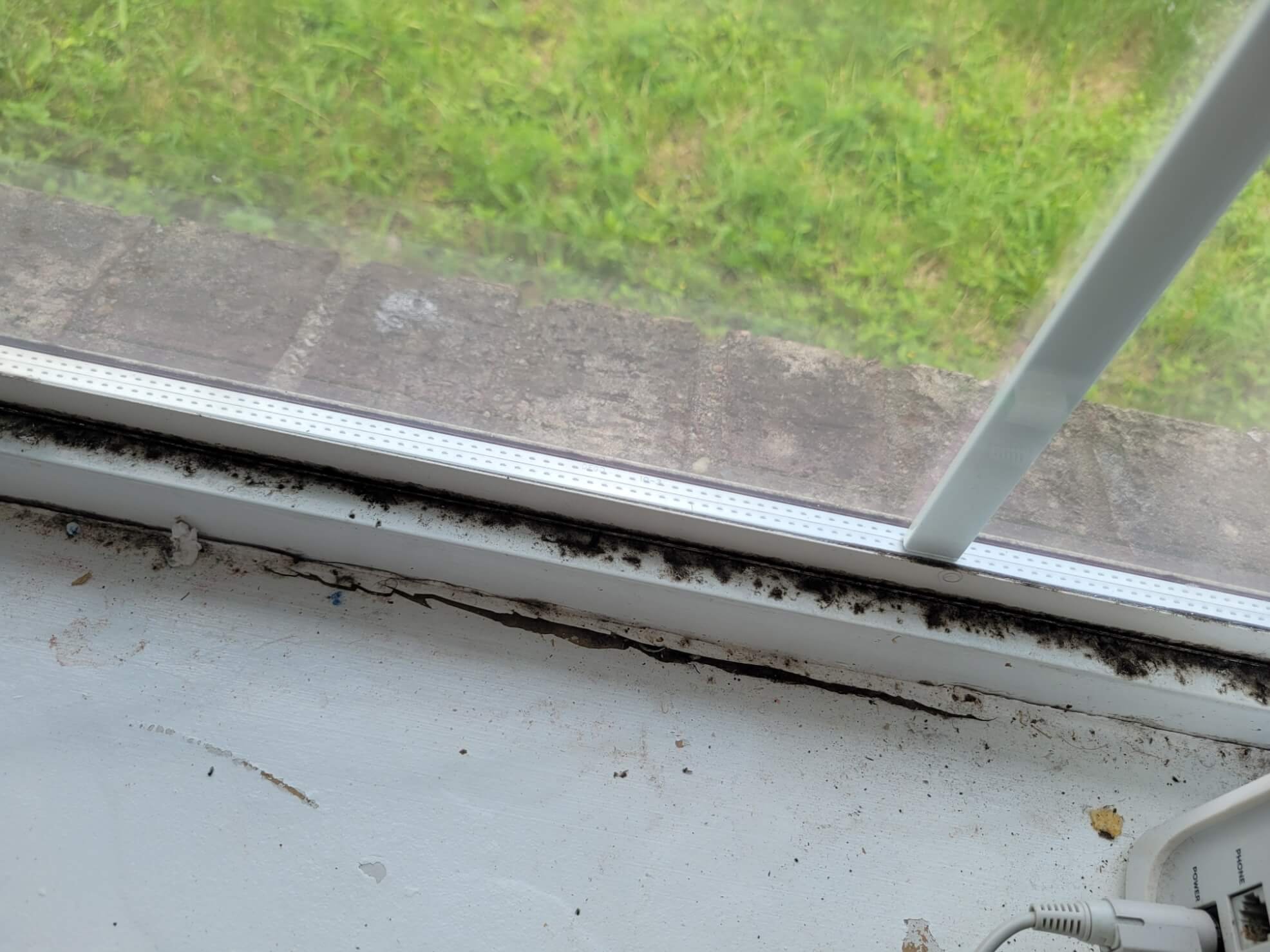
Black mold growth tends to show up where there's been a long-standing moisture problem: behind walls fed by roof leaks, around leaking pipes, inside air conditioning units where condensation collects, and on rotting wood that has stayed wet for weeks. Black mold spores spread the same way other mold spores do, traveling through the air and settling on new damp surfaces to start future mold growth.
How to Identify Black Mold vs Regular Mold
A few signals can help you tell them apart, but none are conclusive on their own:
Color. Black mold is typically dark greenish black to near-black and fairly uniform. Regular mold shows more variety, including dark green, gray, white and brown patches.
Texture. Black mold often has a slimy or wet texture because it grows on saturated surfaces. Many common molds have a drier, powdery appearance.
Smell. All mold produces a musty smell, but black mold often gives off a stronger, more distinct smell that lingers in the room.
Location. Black mold favors materials that stay wet for long stretches, so it concentrates around persistent leaks and high humidity zones rather than spots that dry out between exposures.
The honest answer to "how to identify black mold" is that visual checks only narrow it down. Plenty of dark molds are not Stachybotrys, and some genuinely toxic molds don't look especially dramatic. Confirming the species requires sampling and lab analysis, which is part of a professional assessment.
Health Risks: Regular Mold vs Black Mold
Mold exposure affects human health differently from person to person. Some people notice nothing, while others react strongly to even small amounts.
With regular mold, the main health issues are allergic reactions: respiratory problems like coughing and wheezing, sinus infections, skin rashes and general irritation. With black mold exposure, the concern rises because mold that can produce mycotoxins has been associated with more serious health problems during prolonged exposure, including persistent respiratory problems, headaches, chronic fatigue, skin irritation from skin contact, and in some documented cases lung disease.
People with weakened immune systems, compromised immune systems, asthma or existing respiratory conditions face the greatest risk, and their immune systems may struggle to cope with ongoing mold exposure. If your health symptoms ease when you leave the house and return when you come back, mold is worth investigating as a contributor. For any health concerns you think are tied to mold, see a healthcare professional alongside getting the property inspected.
Where Mold Grows and Why
Both mold types need the same thing to take hold: moisture. Mold develops fastest in damp environments with poor ventilation and high humidity, where spores settle on porous materials and organic material and start to colonize.
Common trouble spots include:
Bathrooms
Basements
Crawl spaces
Areas under sinks
Around air conditioning units.
Porous surfaces like drywall and ceiling tiles absorb water and are far harder to clean than non porous surfaces, which is why affected surfaces often need replacing rather than wiping down.
Left unchecked, mold growth can move beyond a cosmetic issue into structural damage as it breaks down wood and other building materials over time.
What to Do If You Suspect Black Mold
If you suspect black mold, resist the urge to scrub it yourself. Disturbing it can release a fresh burst of mold spores into the air and worsen indoor air quality. Reaching for a heavy duty cleaner might remove the surface staining, but it won't stop mold at the source or safely remove growth embedded in porous materials, and it does nothing about the moisture feeding it.
Larger or suspected black mold growth is handled by remediation specialists who follow strict containment protocols, wear protective gear, and use specialized equipment to safely remove contaminated material and prevent spores from spreading during professional removal. That work should always be guided by an independent inspection first, so you know the true extent of the problem before anyone starts tearing out materials.
How EnviroVerify Can Help
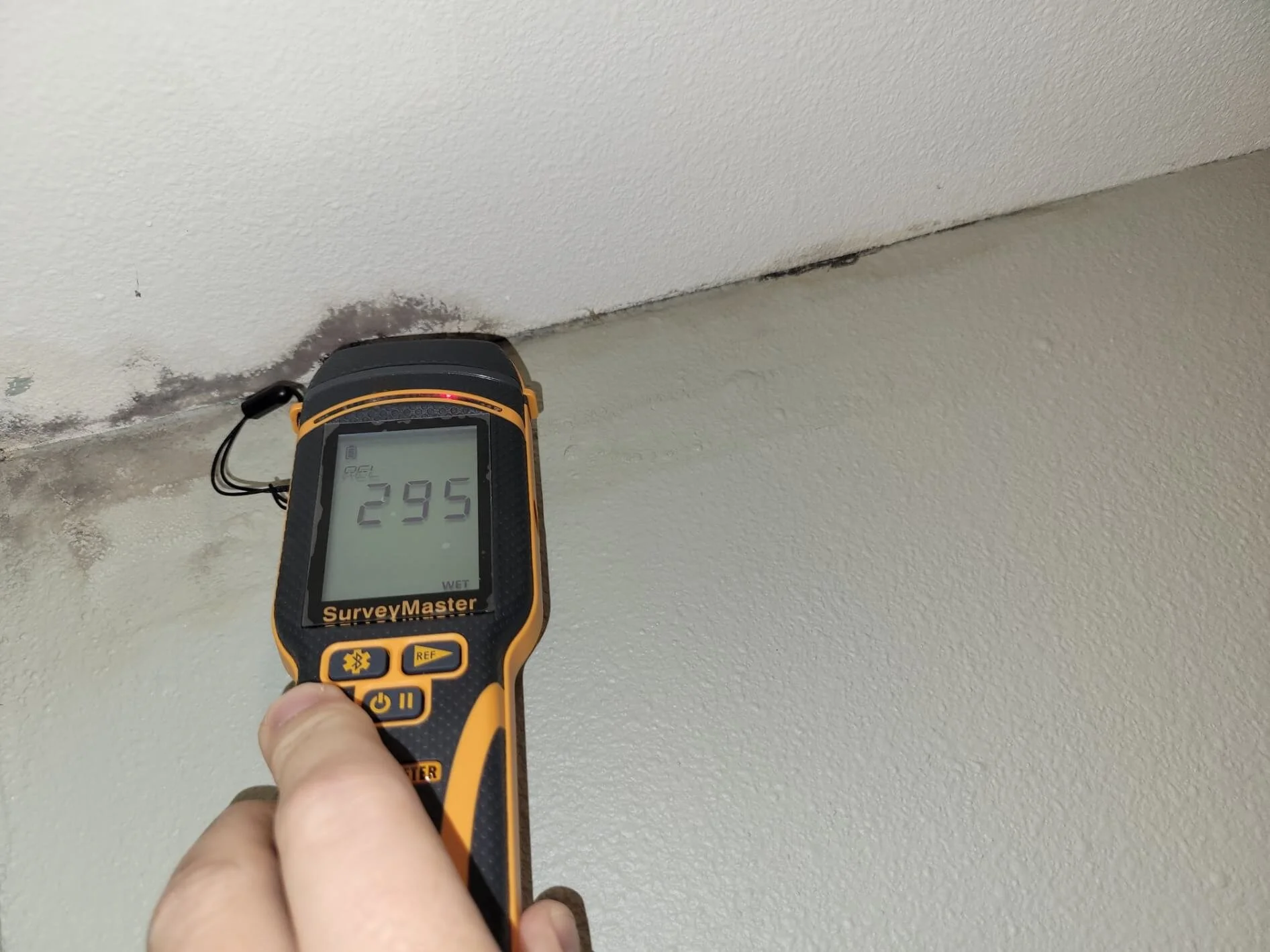
EnviroVerify provides independent mold inspection and mold testing across Fort Worth and the wider DFW area. We identify whether you're dealing with regular mold or potential toxic black mold, confirm the mold types present through testing, pinpoint the moisture problem driving the growth, and document the extent of the affected surfaces.
Importantly, we do not perform mold remediation. We verify it.
That independence is the whole point: our findings reflect what's actually in your property, not what a removal company is hoping to sell you. We also provide clearance testing (Post-Remediation Verification) after a remediation contractor has finished, so you have third-party confirmation the mold problem has been resolved.
How to Help Prevent Future Mold Growth
You can't change the species once mold appears, but you can deny it the conditions it needs. A few practical mold prevention tips:
Keep indoor humidity between 30% and 50% to limit damp environments
Fix roof leaks, leaking pipes and condensation issues promptly
Make sure bathrooms, kitchens and basements stay properly ventilated
Add exhaust fans or a dehumidifier in poorly ventilated areas
Maintain air conditioning units and their condensate drains
Clean up water damage within 24 to 48 hours before mold can establish
Moisture control is the single most effective way to stop mold and prevent future mold growth, since proper ventilation and dry surfaces remove the foundation mold depends on.
Schedule a Mold Inspection
If you suspect black mold or regular mold in your home, an independent inspection is the fastest way to get clear answers. EnviroVerify is a Texas-licensed, independent mold inspection company serving Fort Worth and the wider DFW area.
We inspect, test and verify, and we never perform remediation, so our findings reflect what's actually in your property.
📞 Call or text 817-775-MOLD (6653)
Frequently Asked Questions
-
No. Black mold is usually dark greenish black, but plenty of common household molds are also dark, and some toxic molds don't look dramatic at all. Color and texture can narrow it down, but only lab testing during a professional assessment can confirm whether it's Stachybotrys chartarum.
-
Not necessarily. The term toxic black mold usually refers to Stachybotrys chartarum, which can produce mycotoxins, but not every dark mold is this species and not all black mold produces toxic substances. Because you can't tell by sight, any dark mold growth is worth having evaluated rather than guessing.
-
Black mold exposure can cause respiratory problems, sinus infections, skin rashes, headaches and chronic fatigue, with more serious health problems possible during prolonged exposure. People with weakened or compromised immune systems and those with asthma face the greatest risk to their health.
-
For anything beyond a small patch on a non porous surface, no. DIY cleaning disturbs the mold and releases mold spores into the air. Larger or suspected black mold growth should be assessed professionally first, then removed by specialists using containment protocols, protective gear and specialized equipment.
-
If health symptoms like coughing, congestion or skin irritation improve when you're away from home and return when you come back, mold may be a contributor. A mold inspection identifies the source while a healthcare professional addresses the symptoms.