
Signs of Mold in Your Home
Mold problems often begin long before visible growth appears. Moisture inside walls, ceilings, or HVAC systems can allow mold to grow unnoticed for weeks or months.
Recognizing the early warning signs can help prevent larger property damage and potential indoor air quality concerns.
Below are some of the most common indicators that mold may be present in your home or building.
Visible Mold Growth
Musty or Earthy Odor
Past or Current Water Damge
Health or Indoor Air Quality Concerns
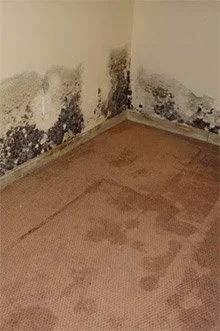
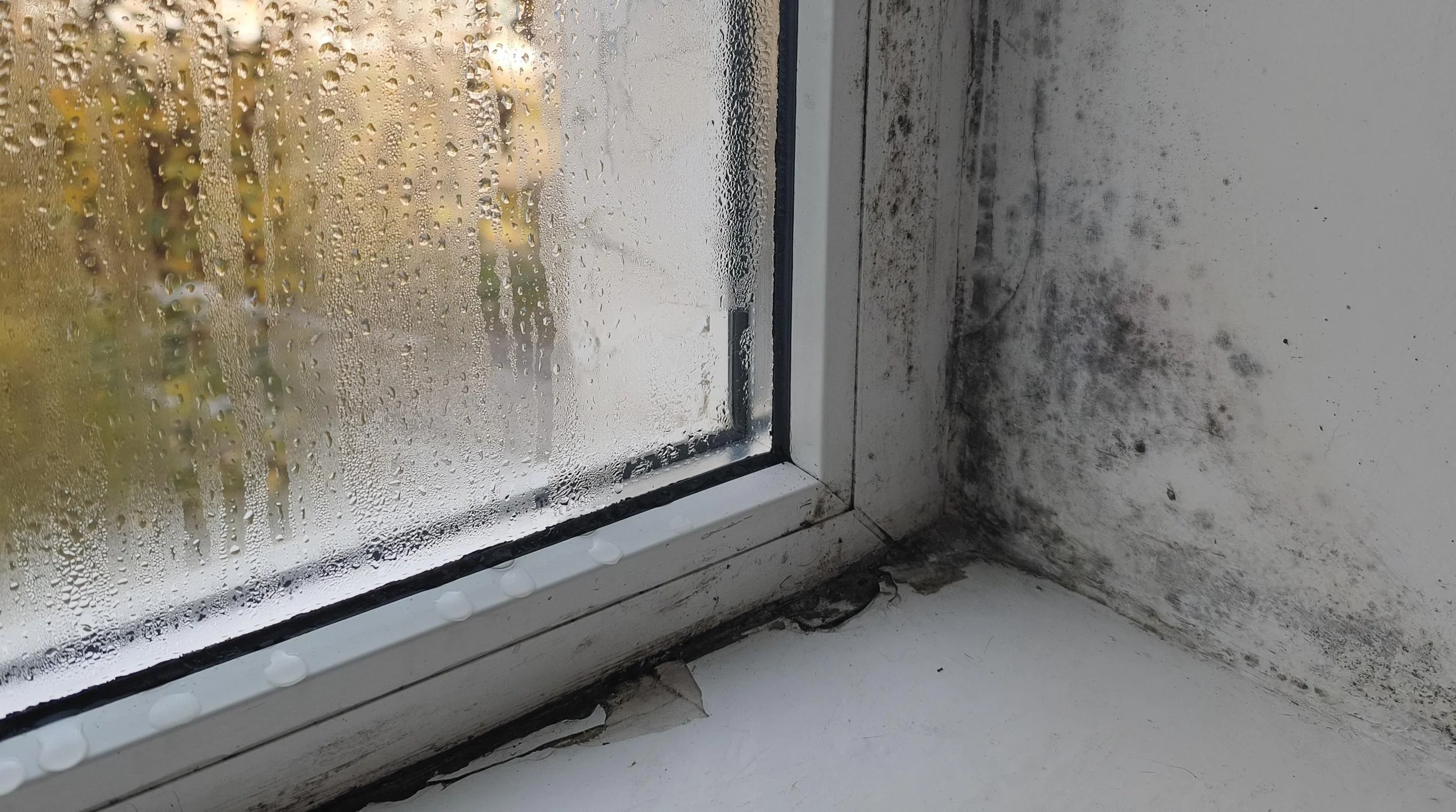
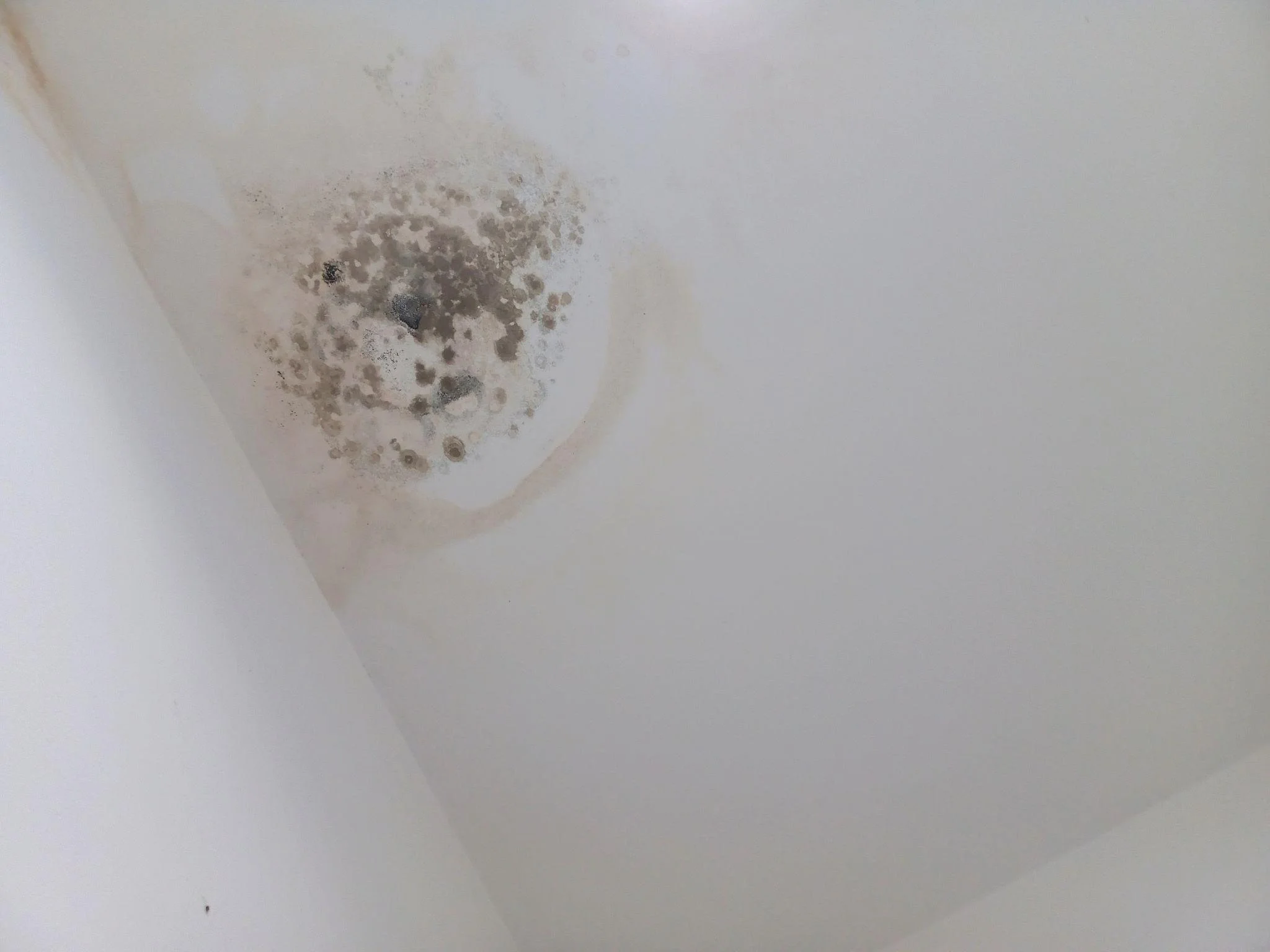
If you notice these signs, a professional mold inspection can determine the source of moisture and whether mold testing is needed.
Visible Mold Growth
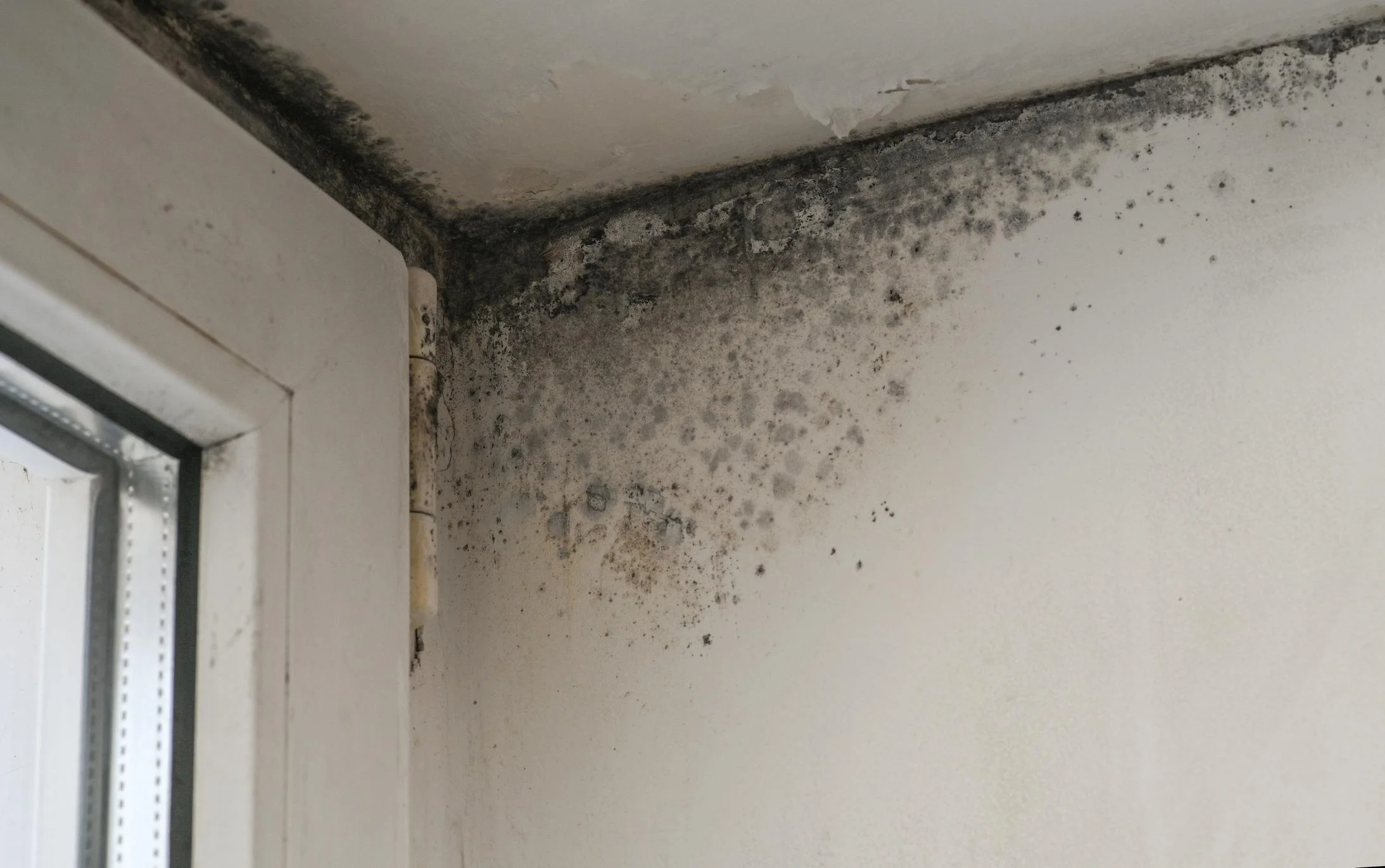
One of the most obvious signs of mold is visible discoloration on building materials.
Mold can appear in many forms, including:
Black or dark spots
Green or gray patches
White fuzzy growth
Orange or pink staining
It commonly develops on:
Drywall
Wood framing
Baseboards
Window frames
Ceiling tiles
Carpet and padding
However, visible mold is often only a small portion of the total growth, especially when moisture is present inside wall cavities or beneath flooring.
A persistent musty, earthy smell is one of the most common early indicators of hidden mold.
This odor is caused by microbial volatile organic compounds (MVOCs) produced during mold growth.
Homeowners often notice the smell in:
Closets
Bathrooms
HVAC systems
Basements
Areas near past water leaks
If the odor is noticeable but mold is not visible, the growth may be inside walls, ceilings, or beneath flooring.
Musty or Earthy Odor
Past or Current Water Damage
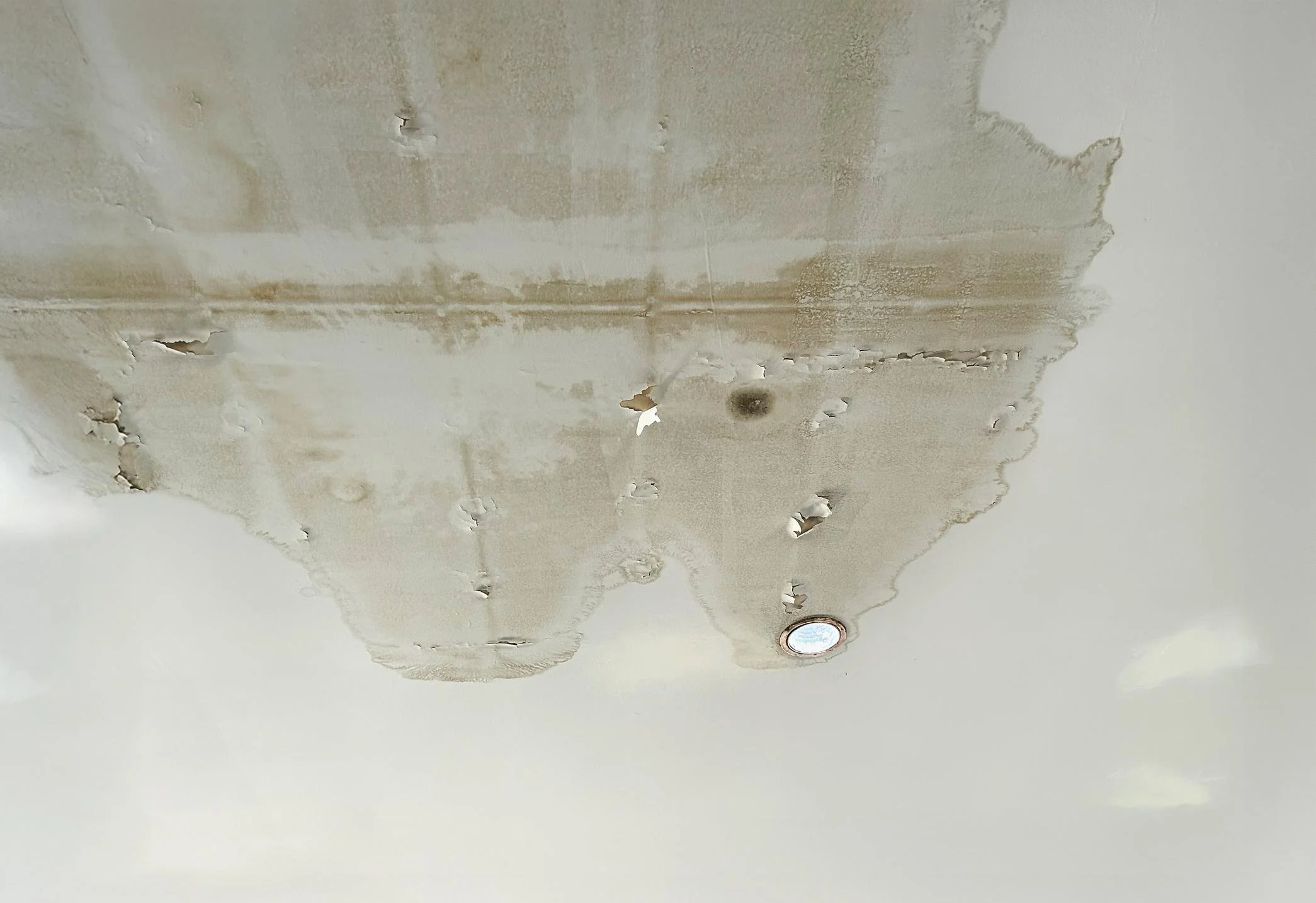
Mold requires moisture to grow, so areas that have experienced water damage should always be evaluated.
Common sources of moisture include:
Roof leaks
Plumbing leaks
Appliance failures
Flooding
HVAC condensation
Foundation moisture intrusion
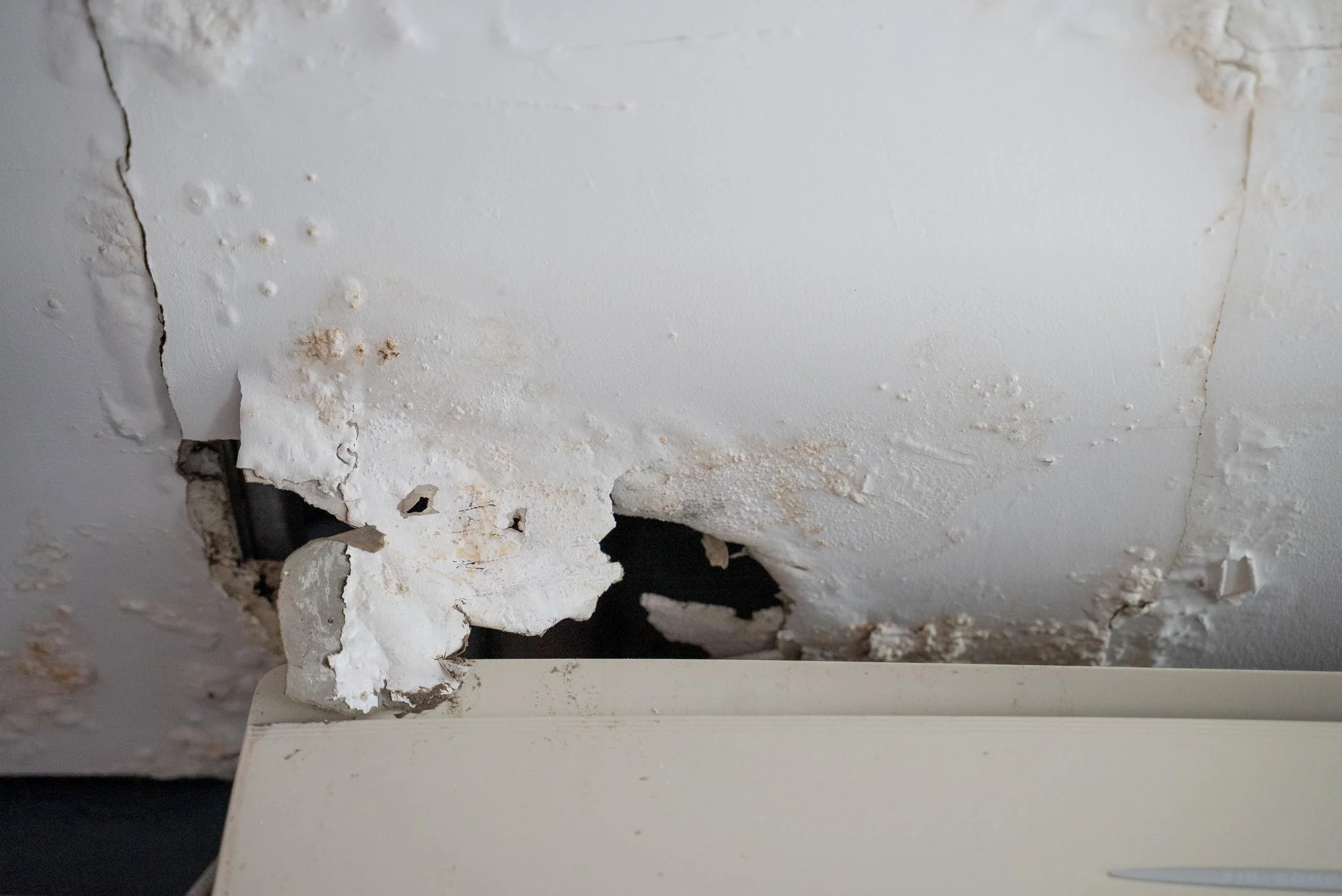
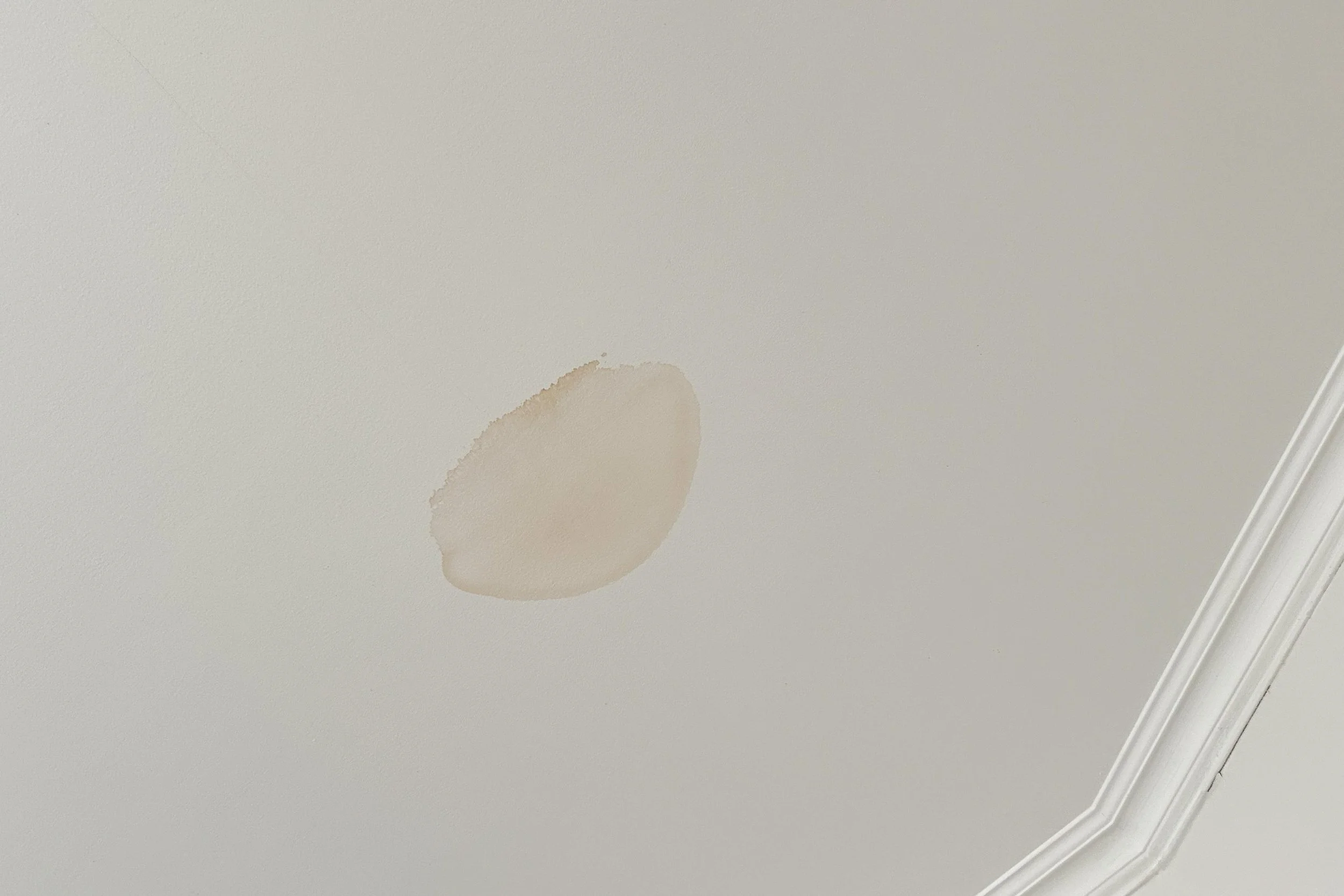
Signs of past water damage include:
Brown or yellow ceiling stains
Bubbling or peeling paint
Warped drywall or baseboards
Soft or deteriorating building materials
Even if the area appears dry now, mold may still be present if materials remained wet for extended periods.
Health or Indoor Air Quality Concerns
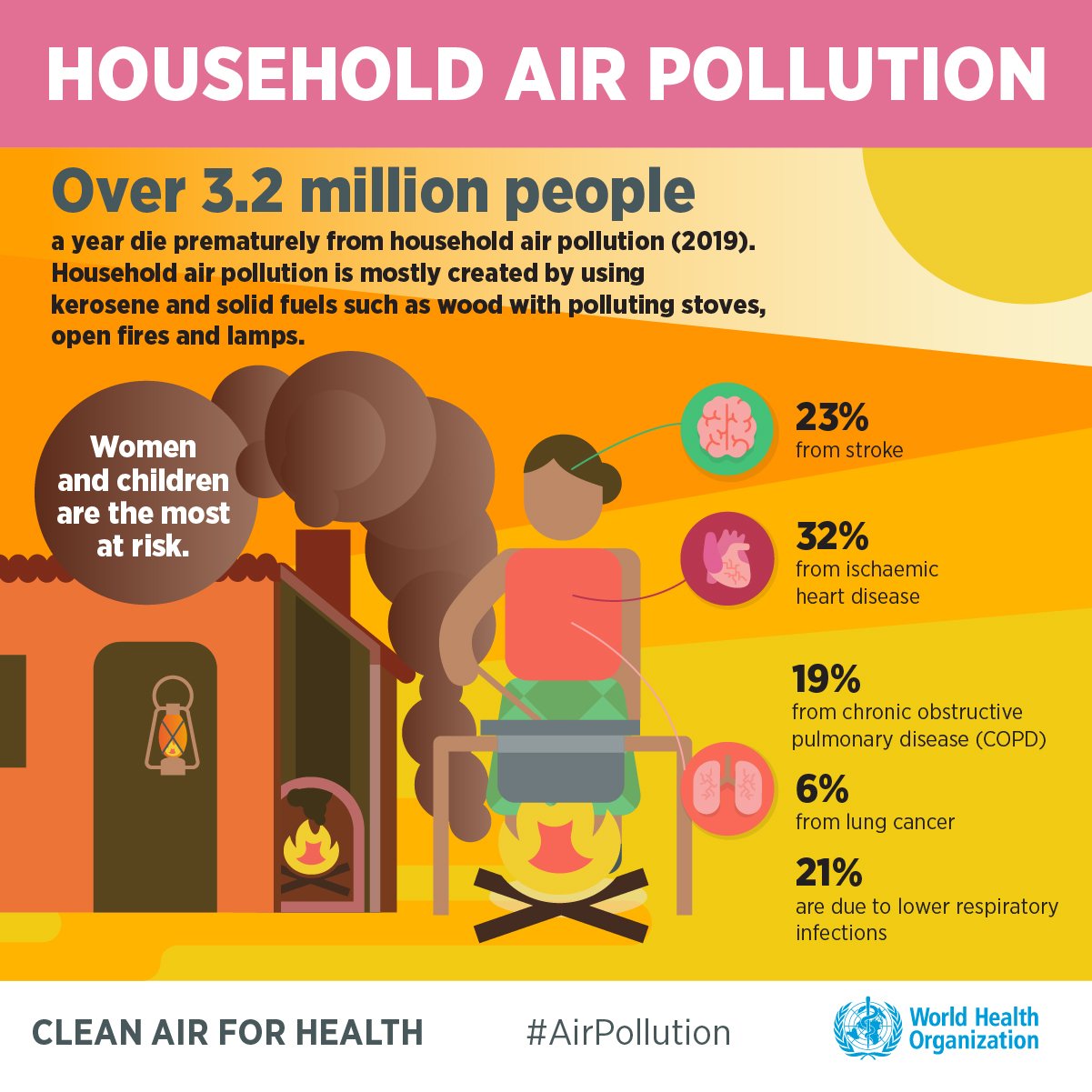
Some occupants report indoor air quality concerns when mold growth is present.
These may include:
Persistent coughing or throat irritation
Sneezing or sinus congestion
Eye irritation
Headaches
Worsening allergy symptoms indoors
Symptoms often improve when occupants leave the building for extended periods.
While many factors can affect indoor air quality, mold growth is one potential contributor.

When to Consider a Professional Mold Inspection
You should consider scheduling a mold inspection if:
You notice musty odors but cannot find the source
There has been recent or past water damage
You see visible mold growth
You are purchasing or selling a property
A remediation contractor recommends third-party testing
You need clearance testing (Post-Remediation Verification)
A professional inspection can help determine:
Whether mold growth is present
The likely moisture source
The extent of affected materials
Whether remediation may be recommended
If you suspect mold may be present in your home or building, EnviroVerify can provide an independent mold inspection and assessment.
817-775-MOLD
Areas We Serve
EnviroVerify provides mold inspections and testing throughout:
Fort Worth
Southlake
Grapevine
Colleyville
Hurst
Euless
Bedford